







Baal e Jibreel
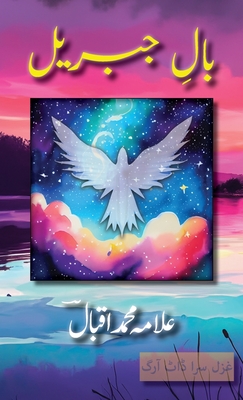
Baal e Jibreel
Iqbal, Muhammad: - Sir Muhammad Iqbal, widely known as Allama Iqbal (Urdu: محمد اقبال), was born on 9 November 1877 and passed away on 21 April 1938. He is celebrated as a preeminent South Asian Muslim writer, philosopher, and politician, particularly renowned for his influential Urdu poetry, which is regarded among the greatest in the twentieth century. Iqbal's vision for Muslims in British-ruled India significantly contributed to the ideological groundwork for the creation of Pakistan.Born and raised in Sialkot, Punjab, in an ethnic Kashmiri Muslim family, Iqbal completed his B.A. and M.A. at the Government College Lahore. He then served as an Arabic lecturer at the Oriental College, Lahore, from 1899 to 1903. During this period, Iqbal wrote extensively, and his Urdu poems, including "Parinde ki faryad" (A Bird's Prayer) and "Tarana-e-Hindi" (The Song of India), remain popular.In 1905, Iqbal pursued further studies in Europe. He attended Trinity College, Cambridge, in England, where he completed a second B.A. and was called to the bar at Lincoln's Inn. Subsequently, he moved to Germany, where he received his Ph.D. in philosophy from the University of Munich. Upon returning to Lahore in 1908, Iqbal established a law practice but predominantly dedicated himself to scholarly works in politics, economics, history, philosophy, and religion.Iqbal's poetic achievements are most notable in works such as "Asrar-e-Khudi," "Rumuz-e-Bekhudi," and "Bang-e-Dara." Post the publication of "Asrar-e-Khudi," he was awarded a knighthood. In Iran, where he is affectionately known as Iqbāl-e Lāhorī, his Persian works are highly esteemed.A strong proponent of the spiritual and political revival of Islamic civilization, particularly in South Asia, Iqbal's series of lectures were later published as "The Reconstruction of Religious Thought in Islam." He also played a significant political role, being elected to the Punjab Legislative Council in 1927 and occupying various positions in the All India Muslim League. His 1930 presidential address at the League's annual meeting in Allahabad was pivotal in shaping the political aspirations of Muslims in British India.Iqbal passed away in 1938. After the establishment of Pakistan in 1947, he was posthumously honored as the national poet of Pakistan. Known also as "Hakeem-ul-Ummat" (The Sage of the Ummah) and "Mufakkir-e-Pakistan" (The Thinker of Pakistan), Iqbal's birth anniversary, 9 November, was celebrated as a public holiday in Pakistan until 2018. His legacy was further extended to the Arab world through Abul Hasan Ali Hasani Nadwi's work "Glory of Iqbal."
PRP: 206.58 Lei

Acesta este Prețul Recomandat de Producător. Prețul de vânzare al produsului este afișat mai jos.
185.92Lei
185.92Lei
206.58 LeiPrimești 185 puncte
Indisponibil
Descrierea produsului
Iqbal, Muhammad: - Sir Muhammad Iqbal, widely known as Allama Iqbal (Urdu: محمد اقبال), was born on 9 November 1877 and passed away on 21 April 1938. He is celebrated as a preeminent South Asian Muslim writer, philosopher, and politician, particularly renowned for his influential Urdu poetry, which is regarded among the greatest in the twentieth century. Iqbal's vision for Muslims in British-ruled India significantly contributed to the ideological groundwork for the creation of Pakistan.Born and raised in Sialkot, Punjab, in an ethnic Kashmiri Muslim family, Iqbal completed his B.A. and M.A. at the Government College Lahore. He then served as an Arabic lecturer at the Oriental College, Lahore, from 1899 to 1903. During this period, Iqbal wrote extensively, and his Urdu poems, including "Parinde ki faryad" (A Bird's Prayer) and "Tarana-e-Hindi" (The Song of India), remain popular.In 1905, Iqbal pursued further studies in Europe. He attended Trinity College, Cambridge, in England, where he completed a second B.A. and was called to the bar at Lincoln's Inn. Subsequently, he moved to Germany, where he received his Ph.D. in philosophy from the University of Munich. Upon returning to Lahore in 1908, Iqbal established a law practice but predominantly dedicated himself to scholarly works in politics, economics, history, philosophy, and religion.Iqbal's poetic achievements are most notable in works such as "Asrar-e-Khudi," "Rumuz-e-Bekhudi," and "Bang-e-Dara." Post the publication of "Asrar-e-Khudi," he was awarded a knighthood. In Iran, where he is affectionately known as Iqbāl-e Lāhorī, his Persian works are highly esteemed.A strong proponent of the spiritual and political revival of Islamic civilization, particularly in South Asia, Iqbal's series of lectures were later published as "The Reconstruction of Religious Thought in Islam." He also played a significant political role, being elected to the Punjab Legislative Council in 1927 and occupying various positions in the All India Muslim League. His 1930 presidential address at the League's annual meeting in Allahabad was pivotal in shaping the political aspirations of Muslims in British India.Iqbal passed away in 1938. After the establishment of Pakistan in 1947, he was posthumously honored as the national poet of Pakistan. Known also as "Hakeem-ul-Ummat" (The Sage of the Ummah) and "Mufakkir-e-Pakistan" (The Thinker of Pakistan), Iqbal's birth anniversary, 9 November, was celebrated as a public holiday in Pakistan until 2018. His legacy was further extended to the Arab world through Abul Hasan Ali Hasani Nadwi's work "Glory of Iqbal."
Detaliile produsului



