





Black France, White Europe: Youth, Race, and Belonging in the Postwar Era
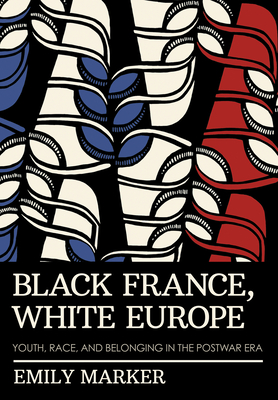
Black France, White Europe: Youth, Race, and Belonging in the Postwar Era
Winner of the George Louis Beer Prize
Black France, White Europe illuminates the deeply entangled history of European integration and African decolonization. Emily Marker maps the horizons of belonging in postwar France as leaders contemplated the inclusion of France's old African empire in the new Europe-in-the-making. European integration intensified longstanding structural contradictions of French colonial rule in Africa: Would Black Africans and Black African Muslims be French? If so, would they then also be European? What would that mean for republican France and united Europe more broadly?
Marker examines these questions through the lens of youth, amid a surprising array of youth and education initiatives to stimulate imperial renewal and European integration from the ground up. She explores how education reforms and programs promoting solidarity between French and African youth collided with transnational efforts to make young people in Western Europe feel more European. She connects a particular postwar vision for European unity--which coded Europe as both white and raceless, Christian and secular--to crucial decisions about what should be taught in African classrooms and how many scholarships to provide young Africans to study and train in France. That vision of Europe also informed French responses to African student activism for racial and religious equality, which ultimately turned many young francophone Africans away from France irrevocably. Black France, White Europe shows that the interconnected history of colonial and European youth initiatives is key to explaining why, despite efforts to strengthen ties with its African colonies in the 1940s and 1950s, France became more European during those years.
PRP: 206.91 Lei

Acesta este Prețul Recomandat de Producător. Prețul de vânzare al produsului este afișat mai jos.
165.53Lei
165.53Lei
206.91 LeiPrimești 165 puncte
Livrare in 2-4 saptamani
Descrierea produsului
Winner of the George Louis Beer Prize
Black France, White Europe illuminates the deeply entangled history of European integration and African decolonization. Emily Marker maps the horizons of belonging in postwar France as leaders contemplated the inclusion of France's old African empire in the new Europe-in-the-making. European integration intensified longstanding structural contradictions of French colonial rule in Africa: Would Black Africans and Black African Muslims be French? If so, would they then also be European? What would that mean for republican France and united Europe more broadly?
Marker examines these questions through the lens of youth, amid a surprising array of youth and education initiatives to stimulate imperial renewal and European integration from the ground up. She explores how education reforms and programs promoting solidarity between French and African youth collided with transnational efforts to make young people in Western Europe feel more European. She connects a particular postwar vision for European unity--which coded Europe as both white and raceless, Christian and secular--to crucial decisions about what should be taught in African classrooms and how many scholarships to provide young Africans to study and train in France. That vision of Europe also informed French responses to African student activism for racial and religious equality, which ultimately turned many young francophone Africans away from France irrevocably. Black France, White Europe shows that the interconnected history of colonial and European youth initiatives is key to explaining why, despite efforts to strengthen ties with its African colonies in the 1940s and 1950s, France became more European during those years.
Detaliile produsului



