





Britain Enforcing the Peace, 1918-1923: The Royal Navy in Turkey and Southern Russia After the Great War
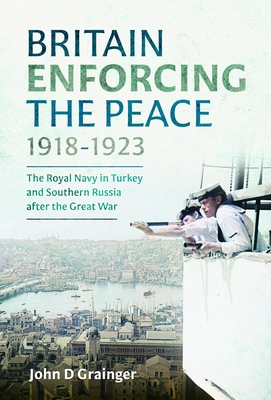
Britain Enforcing the Peace, 1918-1923: The Royal Navy in Turkey and Southern Russia After the Great War
Details the British Navy's efforts during the post-Great War period, facing challenges in the Near East, from the Russian Revolution to Turkish resurgence under Mustafa Kemal.
The end of the Great War in the Near East began with the Turkish Armistice but was not complete until the final peace treaty in 1923. During that five-year period the British Navy dealt with the overspill from the Russian Revolution in the Caucasus, the Caspian Sea and Central Asia as well, and then in the Aegean Sea and the Straits confronting the resurgent Turkish forces under Mustafa Kemal.
The British in India were very concerned about Bolshevik activities in Central Asia and had sent two battalions of Indian troops under a British general to attempt to cope with it. They were successful in battle against larger forces, but politically they were unable to reach any sort of settlement. They were withdrawn when an Afghan war broke out.
A second expedition was sent early in 1918 from Iraq through Persia to gain control of the oil fields at Baku in Azerbaijan. The object here was to prevent the oil falling into German or Turkish hands. This was an expedition at the limit of military capabilities, but it did succeed in seizing Baku and preventing a German conquest. In the process ships in the Caspian Sea were captured and turned into a Caspian Sea flotilla to fight Russian Bolshevik advances.
These adventures happened before the Turkish Armistice. Constantinople had been occupied, but holding it became increasingly difficult and required the use of considerable forces, mainly British. The other allies gradually faded away or adopted the Turkish side.
The resurgence of Turkish power in Anatolia eventually led to a tense confrontation between British and Turkish forces at Chanak on the Dardanelles and a difficult negotiation between generals. The result was a truce, British withdrawal from all occupied areas, and the collapse of the Lloyd George government in Britain, which was prepared to indulge in another war over the issues.
The end of the Great War in the Near East began with the Turkish Armistice but was not complete until the final peace treaty in 1923. During that five-year period the British Navy dealt with the overspill from the Russian Revolution in the Caucasus, the Caspian Sea and Central Asia as well, and then in the Aegean Sea and the Straits confronting the resurgent Turkish forces under Mustafa Kemal.
The British in India were very concerned about Bolshevik activities in Central Asia and had sent two battalions of Indian troops under a British general to attempt to cope with it. They were successful in battle against larger forces, but politically they were unable to reach any sort of settlement. They were withdrawn when an Afghan war broke out.
A second expedition was sent early in 1918 from Iraq through Persia to gain control of the oil fields at Baku in Azerbaijan. The object here was to prevent the oil falling into German or Turkish hands. This was an expedition at the limit of military capabilities, but it did succeed in seizing Baku and preventing a German conquest. In the process ships in the Caspian Sea were captured and turned into a Caspian Sea flotilla to fight Russian Bolshevik advances.
These adventures happened before the Turkish Armistice. Constantinople had been occupied, but holding it became increasingly difficult and required the use of considerable forces, mainly British. The other allies gradually faded away or adopted the Turkish side.
The resurgence of Turkish power in Anatolia eventually led to a tense confrontation between British and Turkish forces at Chanak on the Dardanelles and a difficult negotiation between generals. The result was a truce, British withdrawal from all occupied areas, and the collapse of the Lloyd George government in Britain, which was prepared to indulge in another war over the issues.
PRP: 215.93 Lei

Acesta este Prețul Recomandat de Producător. Prețul de vânzare al produsului este afișat mai jos.
172.74Lei
172.74Lei
215.93 LeiPrimești 172 puncte
Livrare in 2-4 saptamani
Descrierea produsului
Details the British Navy's efforts during the post-Great War period, facing challenges in the Near East, from the Russian Revolution to Turkish resurgence under Mustafa Kemal.
The end of the Great War in the Near East began with the Turkish Armistice but was not complete until the final peace treaty in 1923. During that five-year period the British Navy dealt with the overspill from the Russian Revolution in the Caucasus, the Caspian Sea and Central Asia as well, and then in the Aegean Sea and the Straits confronting the resurgent Turkish forces under Mustafa Kemal.
The British in India were very concerned about Bolshevik activities in Central Asia and had sent two battalions of Indian troops under a British general to attempt to cope with it. They were successful in battle against larger forces, but politically they were unable to reach any sort of settlement. They were withdrawn when an Afghan war broke out.
A second expedition was sent early in 1918 from Iraq through Persia to gain control of the oil fields at Baku in Azerbaijan. The object here was to prevent the oil falling into German or Turkish hands. This was an expedition at the limit of military capabilities, but it did succeed in seizing Baku and preventing a German conquest. In the process ships in the Caspian Sea were captured and turned into a Caspian Sea flotilla to fight Russian Bolshevik advances.
These adventures happened before the Turkish Armistice. Constantinople had been occupied, but holding it became increasingly difficult and required the use of considerable forces, mainly British. The other allies gradually faded away or adopted the Turkish side.
The resurgence of Turkish power in Anatolia eventually led to a tense confrontation between British and Turkish forces at Chanak on the Dardanelles and a difficult negotiation between generals. The result was a truce, British withdrawal from all occupied areas, and the collapse of the Lloyd George government in Britain, which was prepared to indulge in another war over the issues.
The end of the Great War in the Near East began with the Turkish Armistice but was not complete until the final peace treaty in 1923. During that five-year period the British Navy dealt with the overspill from the Russian Revolution in the Caucasus, the Caspian Sea and Central Asia as well, and then in the Aegean Sea and the Straits confronting the resurgent Turkish forces under Mustafa Kemal.
The British in India were very concerned about Bolshevik activities in Central Asia and had sent two battalions of Indian troops under a British general to attempt to cope with it. They were successful in battle against larger forces, but politically they were unable to reach any sort of settlement. They were withdrawn when an Afghan war broke out.
A second expedition was sent early in 1918 from Iraq through Persia to gain control of the oil fields at Baku in Azerbaijan. The object here was to prevent the oil falling into German or Turkish hands. This was an expedition at the limit of military capabilities, but it did succeed in seizing Baku and preventing a German conquest. In the process ships in the Caspian Sea were captured and turned into a Caspian Sea flotilla to fight Russian Bolshevik advances.
These adventures happened before the Turkish Armistice. Constantinople had been occupied, but holding it became increasingly difficult and required the use of considerable forces, mainly British. The other allies gradually faded away or adopted the Turkish side.
The resurgence of Turkish power in Anatolia eventually led to a tense confrontation between British and Turkish forces at Chanak on the Dardanelles and a difficult negotiation between generals. The result was a truce, British withdrawal from all occupied areas, and the collapse of the Lloyd George government in Britain, which was prepared to indulge in another war over the issues.
Detaliile produsului



