





Child Composers in the Old Conservatories: How Orphans Became Elite Musicians
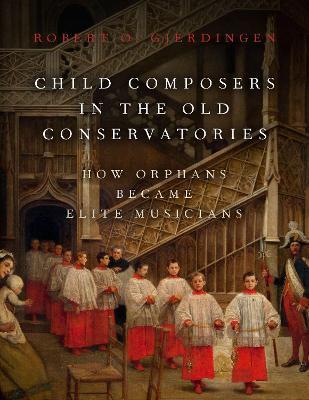
Child Composers in the Old Conservatories: How Orphans Became Elite Musicians
In seventeenth century Italy, overcrowding, violent political uprising, and plague led an astonishing number of abandoned and orphaned children to overwhelm the cities. Out of the piety of private citizens and the apathy of local governments, the system of conservatori was created to house, nurture, and train these fanciulli vaganti (roaming children) to become hatters, shoemakers, tailors, goldsmiths, cabinet makers, and musicians - a range of practical trades that might sustain them and enable them to contribute to society. Conservatori were founded across Italy, from Venice and Florence to Parma and Naples, many specializing in a particular trade. Four music conservatori in Naples gained particular renown for their exceptional training of musicians, both performers and composers, all boys. By the eighteenth century, the graduates of the Naples conservatories began to spread across Europe, with some 600 boys formerly in residence beginning to dominate the European musical
world. Other conservatories in the country - including the Paris Conservatory - began to imitate the principles of the Naples' conservatory's training, known as the partimento tradition. The daily lessons and exercises associated with this tradition were largely lost-until author Robert Gjerdingen discovered evidence of them in the archives of conservatories across Italy and the rest of Europe. Compellingly narrated and richly illustrated, Child Composers in the Old Conservatory follows the story of these boys as they undergo rigorous training with the conservatory's maestri and eventually become maestri themselves, then moves forward in time to see the influence of partimenti in the training of such composers as Claude Debussy and Colette Boyer. Advocating for the revival of partimenti in modern music education, the book explores the tremendous potential of this tradition to enable natural musical fluency for students of all ages learning the craft today.
PRP: 350.30 Lei

Acesta este Prețul Recomandat de Producător. Prețul de vânzare al produsului este afișat mai jos.
280.24Lei
280.24Lei
350.30 LeiPrimești 280 puncte
Livrare in 2-4 saptamani
Descrierea produsului
In seventeenth century Italy, overcrowding, violent political uprising, and plague led an astonishing number of abandoned and orphaned children to overwhelm the cities. Out of the piety of private citizens and the apathy of local governments, the system of conservatori was created to house, nurture, and train these fanciulli vaganti (roaming children) to become hatters, shoemakers, tailors, goldsmiths, cabinet makers, and musicians - a range of practical trades that might sustain them and enable them to contribute to society. Conservatori were founded across Italy, from Venice and Florence to Parma and Naples, many specializing in a particular trade. Four music conservatori in Naples gained particular renown for their exceptional training of musicians, both performers and composers, all boys. By the eighteenth century, the graduates of the Naples conservatories began to spread across Europe, with some 600 boys formerly in residence beginning to dominate the European musical
world. Other conservatories in the country - including the Paris Conservatory - began to imitate the principles of the Naples' conservatory's training, known as the partimento tradition. The daily lessons and exercises associated with this tradition were largely lost-until author Robert Gjerdingen discovered evidence of them in the archives of conservatories across Italy and the rest of Europe. Compellingly narrated and richly illustrated, Child Composers in the Old Conservatory follows the story of these boys as they undergo rigorous training with the conservatory's maestri and eventually become maestri themselves, then moves forward in time to see the influence of partimenti in the training of such composers as Claude Debussy and Colette Boyer. Advocating for the revival of partimenti in modern music education, the book explores the tremendous potential of this tradition to enable natural musical fluency for students of all ages learning the craft today.
Detaliile produsului



