







Cuban Music: From Son and Rumba to the Buena Vista Social Club and Timba Cubana
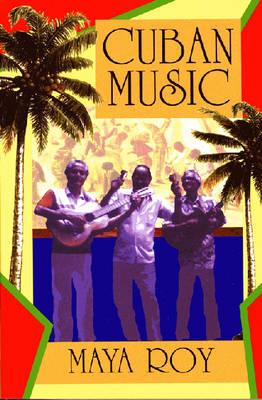
Cuban Music: From Son and Rumba to the Buena Vista Social Club and Timba Cubana
Native Americans supplied the maracas. African slaves brought drums and ritual music, and Spaniards brought guitars, brass instruments, and clarinets along with European ballroom dancing. The advent of blues and jazz gave new forms to styles of songs, notably feeling songs, which joined the more traditional styles of trova and bolero. Cuban culture represents a convergence of these diverse backgrounds, and the musical heritage presented in this book reflects these traditions as well. In colonial times, African ritual sounds mixed with Catholic liturgies and brass bands of the Spanish military academies. Ballroom dances, including French music from Haiti popular in 18th-century Havana society, existed side by side with the cabildos (guilds and carnival clubs) and the plantations. The son, considered the expression of Cuban musical identity, had its origins in a rural setting in which African slaves and small farmers from Andalusia worked and played music together, developing many variations over the years, including big band music. Cuban music is now experiencing a major renaissance, and is enjoyed throughout the world.
PRP: 206.25 Lei

Acesta este Prețul Recomandat de Producător. Prețul de vânzare al produsului este afișat mai jos.
185.62Lei
185.62Lei
206.25 LeiPrimești 185 puncte
Livrare in 2-4 saptamani
Descrierea produsului
Native Americans supplied the maracas. African slaves brought drums and ritual music, and Spaniards brought guitars, brass instruments, and clarinets along with European ballroom dancing. The advent of blues and jazz gave new forms to styles of songs, notably feeling songs, which joined the more traditional styles of trova and bolero. Cuban culture represents a convergence of these diverse backgrounds, and the musical heritage presented in this book reflects these traditions as well. In colonial times, African ritual sounds mixed with Catholic liturgies and brass bands of the Spanish military academies. Ballroom dances, including French music from Haiti popular in 18th-century Havana society, existed side by side with the cabildos (guilds and carnival clubs) and the plantations. The son, considered the expression of Cuban musical identity, had its origins in a rural setting in which African slaves and small farmers from Andalusia worked and played music together, developing many variations over the years, including big band music. Cuban music is now experiencing a major renaissance, and is enjoyed throughout the world.
Detaliile produsului



