





Dirty Works: Obscenity on Trial in America's First Sexual Revolution
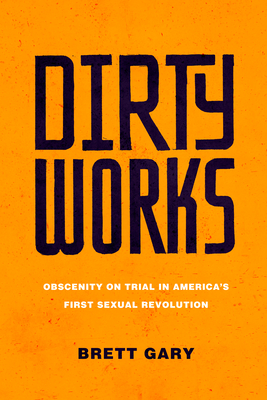
Dirty Works: Obscenity on Trial in America's First Sexual Revolution
A rich account of 1920s to 1950s New York City, starring an eclectic mix of icons like James Joyce, Margaret Sanger, and Alfred Kinsey--all led by an unsung hero of free expression and reproductive rights: Morris L. Ernst.
At the turn of the twentieth century, the United States was experiencing an awakening. Victorian-era morality was being challenged by the introduction of sexual modernism and women's rights into popular culture, the arts, and science. Set during this first sexual revolution, when civil libertarian-minded lawyers overthrew the yoke of obscenity laws, Dirty Works focuses on a series of significant courtroom cases that were all represented by the same lawyer: Morris L. Ernst.
Ernst's clients included a who's who of European and American literati and sexual activists, among them Margaret Sanger, James Joyce, and Alfred Kinsey. They, along with a colorful cast of burlesque-theater owners and bookstore clerks, had run afoul of stiff obscenity laws, and became actors in Ernst's legal theater that ultimately forced the law to recognize people's right to freely consume media. In this book, Brett Gary recovers the critically neglected Ernst as the most important legal defender of literary expression and reproductive rights by the mid-twentieth century. Each chapter centers on one or more key trials from Ernst's remarkable career battling censorship and obscenity laws, using them to tell a broader story of cultural changes and conflicts around sex, morality, and free speech ideals.
Dirty Works sets the stage, legally and culturally, for the sexual revolution of the 1960s and beyond. In the latter half of the century, the courts had a powerful body of precedents, many owing to Ernst's courtroom successes, that recognized adult interests in sexuality, women's needs for reproductive control, and the legitimacy of sexual inquiry. The legacy of this important, but largely unrecognized, moment in American history must be reckoned with in our contentious present, as many of the issues Ernst and his colleagues defended are still under attack eight decades later.
PRP: 217.00 Lei

Acesta este Prețul Recomandat de Producător. Prețul de vânzare al produsului este afișat mai jos.
173.60Lei
173.60Lei
217.00 LeiPrimești 173 puncte
Indisponibil
Descrierea produsului
A rich account of 1920s to 1950s New York City, starring an eclectic mix of icons like James Joyce, Margaret Sanger, and Alfred Kinsey--all led by an unsung hero of free expression and reproductive rights: Morris L. Ernst.
At the turn of the twentieth century, the United States was experiencing an awakening. Victorian-era morality was being challenged by the introduction of sexual modernism and women's rights into popular culture, the arts, and science. Set during this first sexual revolution, when civil libertarian-minded lawyers overthrew the yoke of obscenity laws, Dirty Works focuses on a series of significant courtroom cases that were all represented by the same lawyer: Morris L. Ernst.
Ernst's clients included a who's who of European and American literati and sexual activists, among them Margaret Sanger, James Joyce, and Alfred Kinsey. They, along with a colorful cast of burlesque-theater owners and bookstore clerks, had run afoul of stiff obscenity laws, and became actors in Ernst's legal theater that ultimately forced the law to recognize people's right to freely consume media. In this book, Brett Gary recovers the critically neglected Ernst as the most important legal defender of literary expression and reproductive rights by the mid-twentieth century. Each chapter centers on one or more key trials from Ernst's remarkable career battling censorship and obscenity laws, using them to tell a broader story of cultural changes and conflicts around sex, morality, and free speech ideals.
Dirty Works sets the stage, legally and culturally, for the sexual revolution of the 1960s and beyond. In the latter half of the century, the courts had a powerful body of precedents, many owing to Ernst's courtroom successes, that recognized adult interests in sexuality, women's needs for reproductive control, and the legitimacy of sexual inquiry. The legacy of this important, but largely unrecognized, moment in American history must be reckoned with in our contentious present, as many of the issues Ernst and his colleagues defended are still under attack eight decades later.
Detaliile produsului



