







God and the City
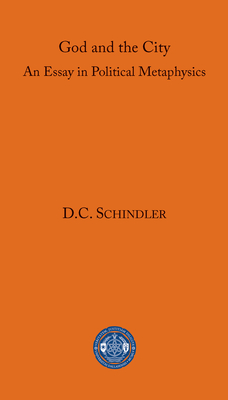
God and the City
God and the City, based on the Aquinas Lecture delivered at the University of Dallas in 2022, aims to think about politics ontologically. In other words, it seeks to reflect on, not some
political theory or other, nor on the legitimacy of political action or the distinctiveness of particular regimes, but on the nature of political order as such, and how this order implicates the
fundamental questions of existence, those concerning man, being, and God. Aristotle, and Aquinas after him, identified metaphysics and politics as "architectonic" sciences, since each concerns in some respect the whole of reality, of which the particular
sciences study a part. Chapter one of this book argues that, just as metaphysics, in studying being as a whole, cannot but address the question of God in some respect, so too does politics, the ordering of human life as a whole, necessarily implicate the existence of God. In this regard, the modern liberal project has deluded itself in attempting to render religion a private, rather than a genuinely political, matter. We cannot organize human existence without making some claim, whether implicitly or explicitly, about the nature of God and God's relation to the world. The second chapter approaches this theme from the anthropological dimension. As Plato affirmed, the "city is the soul writ large" if man is religious by nature, he cannot be properly
understood, and the human good cannot be properly secured and fostered, if the "God question" is "bracketed out" of the properly political order. Moreover, if we fail to recognize the
essentially political dimension of relation to God, we will be unable properly to grasp the presence of God in the (ecclesial and sacramental) Body of Christ: God cannot be real in the
Church as Church unless he is also real in the city as city (and vice versa). In his De regno, Aquinas famously affirms that "the king is to be in the kingdom what the soul is in the body and what God is in the world." Chapter three offers a careful study of the
body-soul relationship in order to illuminate, on the one hand, the nature of political authority, and, on the other, the precise way that God is present in human community.
political theory or other, nor on the legitimacy of political action or the distinctiveness of particular regimes, but on the nature of political order as such, and how this order implicates the
fundamental questions of existence, those concerning man, being, and God. Aristotle, and Aquinas after him, identified metaphysics and politics as "architectonic" sciences, since each concerns in some respect the whole of reality, of which the particular
sciences study a part. Chapter one of this book argues that, just as metaphysics, in studying being as a whole, cannot but address the question of God in some respect, so too does politics, the ordering of human life as a whole, necessarily implicate the existence of God. In this regard, the modern liberal project has deluded itself in attempting to render religion a private, rather than a genuinely political, matter. We cannot organize human existence without making some claim, whether implicitly or explicitly, about the nature of God and God's relation to the world. The second chapter approaches this theme from the anthropological dimension. As Plato affirmed, the "city is the soul writ large" if man is religious by nature, he cannot be properly
understood, and the human good cannot be properly secured and fostered, if the "God question" is "bracketed out" of the properly political order. Moreover, if we fail to recognize the
essentially political dimension of relation to God, we will be unable properly to grasp the presence of God in the (ecclesial and sacramental) Body of Christ: God cannot be real in the
Church as Church unless he is also real in the city as city (and vice versa). In his De regno, Aquinas famously affirms that "the king is to be in the kingdom what the soul is in the body and what God is in the world." Chapter three offers a careful study of the
body-soul relationship in order to illuminate, on the one hand, the nature of political authority, and, on the other, the precise way that God is present in human community.
PRP: 153.60 Lei

Acesta este Prețul Recomandat de Producător. Prețul de vânzare al produsului este afișat mai jos.
138.24Lei
138.24Lei
153.60 LeiPrimești 138 puncte
Indisponibil
Descrierea produsului
God and the City, based on the Aquinas Lecture delivered at the University of Dallas in 2022, aims to think about politics ontologically. In other words, it seeks to reflect on, not some
political theory or other, nor on the legitimacy of political action or the distinctiveness of particular regimes, but on the nature of political order as such, and how this order implicates the
fundamental questions of existence, those concerning man, being, and God. Aristotle, and Aquinas after him, identified metaphysics and politics as "architectonic" sciences, since each concerns in some respect the whole of reality, of which the particular
sciences study a part. Chapter one of this book argues that, just as metaphysics, in studying being as a whole, cannot but address the question of God in some respect, so too does politics, the ordering of human life as a whole, necessarily implicate the existence of God. In this regard, the modern liberal project has deluded itself in attempting to render religion a private, rather than a genuinely political, matter. We cannot organize human existence without making some claim, whether implicitly or explicitly, about the nature of God and God's relation to the world. The second chapter approaches this theme from the anthropological dimension. As Plato affirmed, the "city is the soul writ large" if man is religious by nature, he cannot be properly
understood, and the human good cannot be properly secured and fostered, if the "God question" is "bracketed out" of the properly political order. Moreover, if we fail to recognize the
essentially political dimension of relation to God, we will be unable properly to grasp the presence of God in the (ecclesial and sacramental) Body of Christ: God cannot be real in the
Church as Church unless he is also real in the city as city (and vice versa). In his De regno, Aquinas famously affirms that "the king is to be in the kingdom what the soul is in the body and what God is in the world." Chapter three offers a careful study of the
body-soul relationship in order to illuminate, on the one hand, the nature of political authority, and, on the other, the precise way that God is present in human community.
political theory or other, nor on the legitimacy of political action or the distinctiveness of particular regimes, but on the nature of political order as such, and how this order implicates the
fundamental questions of existence, those concerning man, being, and God. Aristotle, and Aquinas after him, identified metaphysics and politics as "architectonic" sciences, since each concerns in some respect the whole of reality, of which the particular
sciences study a part. Chapter one of this book argues that, just as metaphysics, in studying being as a whole, cannot but address the question of God in some respect, so too does politics, the ordering of human life as a whole, necessarily implicate the existence of God. In this regard, the modern liberal project has deluded itself in attempting to render religion a private, rather than a genuinely political, matter. We cannot organize human existence without making some claim, whether implicitly or explicitly, about the nature of God and God's relation to the world. The second chapter approaches this theme from the anthropological dimension. As Plato affirmed, the "city is the soul writ large" if man is religious by nature, he cannot be properly
understood, and the human good cannot be properly secured and fostered, if the "God question" is "bracketed out" of the properly political order. Moreover, if we fail to recognize the
essentially political dimension of relation to God, we will be unable properly to grasp the presence of God in the (ecclesial and sacramental) Body of Christ: God cannot be real in the
Church as Church unless he is also real in the city as city (and vice versa). In his De regno, Aquinas famously affirms that "the king is to be in the kingdom what the soul is in the body and what God is in the world." Chapter three offers a careful study of the
body-soul relationship in order to illuminate, on the one hand, the nature of political authority, and, on the other, the precise way that God is present in human community.
Detaliile produsului



