





Halo-Halo Ecologies: The Emergent Environments Behind Filipino Food
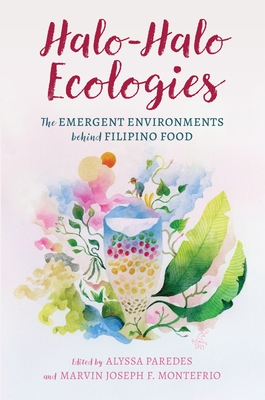
Halo-Halo Ecologies: The Emergent Environments Behind Filipino Food
Halo-Halo Ecologies: The Emergent Environments behind Filipino Food is a recipe for a new storytelling tradition that combines critical studies of Filipino food and of the environment. It takes as its starting point the metaphor of halo-halo, the iconic dessert of crushed ice, jellies, fruit slices, and ube jam. Food writers and social historians alike frequently describe this summertime treat as a symbol of Filipino cultural identity for the ways it mixes local and foreign ingredients into a concoction now readily recognized as typically "Pinoy." But halo-halo is also a product of Philippine ecosystems--that is to say, it represents an eclectic blend of environmental tales in an ever evolving and highly politicized foodscape. The first of its kind, Halo-Halo Ecologies brings together a transnational community of food enthusiasts, engaged scholars, and social and environmental activists to set the table for a new canon in Philippine and Filipino/Filipinx studies, and in food studies more broadly. In twelve chapters, the contributors complicate cultural icons, like Jollibee Chickenjoy and the sari-sari store, and bring these into conversation with the scavenging practices of informal settlements in Manila and the agroecological practices of Indigenous Lumad schools. They reveal new challenges in landscapes spanning the mountainous frontiers of Northern Luzon, the carceral spaces of urban Manila; the disaster-prone coastal communities of the Visayas; the hunger-stricken plantation zones of Mindanao, the ever-changing tides of the archipelago's waterways, and the invisibilized ecologies of the diaspora. These are the emergent environments behind Filipino food, and they compel us to reimagine what, how, and why we eat.
PRP: 287.52 Lei

Acesta este Prețul Recomandat de Producător. Prețul de vânzare al produsului este afișat mai jos.
258.77Lei
258.77Lei
287.52 LeiPrimești 258 puncte
Livrare in 2-4 saptamani
Descrierea produsului
Halo-Halo Ecologies: The Emergent Environments behind Filipino Food is a recipe for a new storytelling tradition that combines critical studies of Filipino food and of the environment. It takes as its starting point the metaphor of halo-halo, the iconic dessert of crushed ice, jellies, fruit slices, and ube jam. Food writers and social historians alike frequently describe this summertime treat as a symbol of Filipino cultural identity for the ways it mixes local and foreign ingredients into a concoction now readily recognized as typically "Pinoy." But halo-halo is also a product of Philippine ecosystems--that is to say, it represents an eclectic blend of environmental tales in an ever evolving and highly politicized foodscape. The first of its kind, Halo-Halo Ecologies brings together a transnational community of food enthusiasts, engaged scholars, and social and environmental activists to set the table for a new canon in Philippine and Filipino/Filipinx studies, and in food studies more broadly. In twelve chapters, the contributors complicate cultural icons, like Jollibee Chickenjoy and the sari-sari store, and bring these into conversation with the scavenging practices of informal settlements in Manila and the agroecological practices of Indigenous Lumad schools. They reveal new challenges in landscapes spanning the mountainous frontiers of Northern Luzon, the carceral spaces of urban Manila; the disaster-prone coastal communities of the Visayas; the hunger-stricken plantation zones of Mindanao, the ever-changing tides of the archipelago's waterways, and the invisibilized ecologies of the diaspora. These are the emergent environments behind Filipino food, and they compel us to reimagine what, how, and why we eat.
Detaliile produsului



