







Identity and Idolatry: The Image of God and Its Inversion
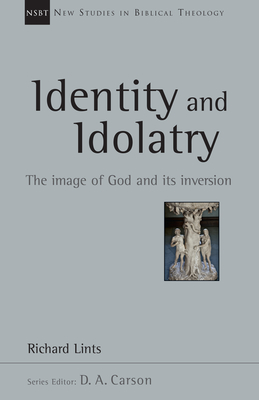
Identity and Idolatry: The Image of God and Its Inversion
One of Desiring God's Top 15 Books
"So God created man in his own image, in the image of God he created him; male and female he created them." (Genesis 1:27)
Genesis 1:26-27 has served as the locus of most theological anthropologies in the central Christian tradition. However, Richard Lints observes that too rarely have these verses been understood as conceptually interwoven with the whole of the prologue materials of Genesis 1. The construction of the cosmic temple strongly hints that the "image of God" language serves liturgical functions.
Lints argues that "idol" language in the Bible is a conceptual inversion of the "image" language of Genesis 1. These constructs illuminate each other, and clarify the canon's central anthropological concerns. The question of human identity is distinct, though not separate, from the question of human nature; the latter has far too frequently been read into the biblical use of image.
Lints shows how the "narrative" of human identity runs from creation (imago Dei) to fall (the golden calf/idol, Exodus 32) to redemption (Christ as perfect image, Colossians 1:15-20). The biblical-theological use of image/idol is a thread through the canon that highlights the movements of redemptive history.
In the concluding chapters of this New Studies in Biblical Theology volume, Lints interprets the use of idolatry as it emerges in the secular prophets of the nineteenth century, and examines the recent renaissance of interest in idolatry with its conceptual power to explain the "culture of desire."
Addressing key issues in biblical theology, the works comprising New Studies in Biblical Theology are creative attempts to help Christians better understand their Bibles. The NSBT series is edited by D. A. Carson, aiming to simultaneously instruct and to edify, to interact with current scholarship and to point the way ahead.
PRP: 167.34 Lei

Acesta este Prețul Recomandat de Producător. Prețul de vânzare al produsului este afișat mai jos.
150.61Lei
150.61Lei
167.34 LeiPrimești 150 puncte
Indisponibil
Descrierea produsului
One of Desiring God's Top 15 Books
"So God created man in his own image, in the image of God he created him; male and female he created them." (Genesis 1:27)
Genesis 1:26-27 has served as the locus of most theological anthropologies in the central Christian tradition. However, Richard Lints observes that too rarely have these verses been understood as conceptually interwoven with the whole of the prologue materials of Genesis 1. The construction of the cosmic temple strongly hints that the "image of God" language serves liturgical functions.
Lints argues that "idol" language in the Bible is a conceptual inversion of the "image" language of Genesis 1. These constructs illuminate each other, and clarify the canon's central anthropological concerns. The question of human identity is distinct, though not separate, from the question of human nature; the latter has far too frequently been read into the biblical use of image.
Lints shows how the "narrative" of human identity runs from creation (imago Dei) to fall (the golden calf/idol, Exodus 32) to redemption (Christ as perfect image, Colossians 1:15-20). The biblical-theological use of image/idol is a thread through the canon that highlights the movements of redemptive history.
In the concluding chapters of this New Studies in Biblical Theology volume, Lints interprets the use of idolatry as it emerges in the secular prophets of the nineteenth century, and examines the recent renaissance of interest in idolatry with its conceptual power to explain the "culture of desire."
Addressing key issues in biblical theology, the works comprising New Studies in Biblical Theology are creative attempts to help Christians better understand their Bibles. The NSBT series is edited by D. A. Carson, aiming to simultaneously instruct and to edify, to interact with current scholarship and to point the way ahead.
Detaliile produsului



