





Interpreting the French Revolution
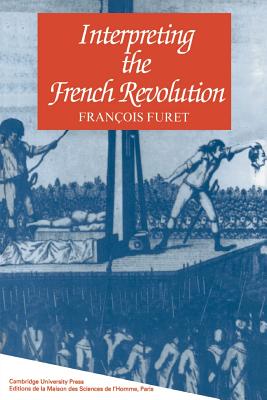
Interpreting the French Revolution
The French Revolution is an historical event unlike any other. It is more than just a topic of intellectual interest: it has become part of a moral and political heritage. But after two centuries, this central event in French history has usually been thought of in much the same terms as it was by its contemporaries. There have been many accounts of the French Revolution, and though their opinions differ, they have often been commemorative or anniversary interpretations of the original event. The dividing line of revolutionary historiography, in intellectual terms, is therefore not between the right and the left, but between commemorative and conceptual history, as exemplified respectively in the works of Michelet and Tocquevifle. In this book, François Furet analyses how an event like the French Revolution can be conceptualised, and identifies the radically new changes the Revolution produced as well as the continuity it provided, albeit under the appearance of change. This question has become a riddle for the European left, answered neither by Marx nor by the theorists of our own century. In his analysis of the tragic relevance of the Revolution, Furet both refers to contemporary experience and discusses various elements in the work of Alexis de Tocclueville and that of Augustin Cochin, which has never been systematically applied by historians of the Revolution. Furet's book is based on the complementary ideas of these two writers in an attempt to cut through the apparent and misleading clarity of various contradictory views of the Revolution, and to help decipher some of the enigmatic problems of revolutionary ideology. It will be of value to historians of modern Europe and their students; to political, social and economic historians; to sociologists; and to students of political thought.
PRP: 186.00 Lei

Acesta este Prețul Recomandat de Producător. Prețul de vânzare al produsului este afișat mai jos.
148.80Lei
148.80Lei
186.00 LeiPrimești 148 puncte
Livrare in 2-4 saptamani
Descrierea produsului
The French Revolution is an historical event unlike any other. It is more than just a topic of intellectual interest: it has become part of a moral and political heritage. But after two centuries, this central event in French history has usually been thought of in much the same terms as it was by its contemporaries. There have been many accounts of the French Revolution, and though their opinions differ, they have often been commemorative or anniversary interpretations of the original event. The dividing line of revolutionary historiography, in intellectual terms, is therefore not between the right and the left, but between commemorative and conceptual history, as exemplified respectively in the works of Michelet and Tocquevifle. In this book, François Furet analyses how an event like the French Revolution can be conceptualised, and identifies the radically new changes the Revolution produced as well as the continuity it provided, albeit under the appearance of change. This question has become a riddle for the European left, answered neither by Marx nor by the theorists of our own century. In his analysis of the tragic relevance of the Revolution, Furet both refers to contemporary experience and discusses various elements in the work of Alexis de Tocclueville and that of Augustin Cochin, which has never been systematically applied by historians of the Revolution. Furet's book is based on the complementary ideas of these two writers in an attempt to cut through the apparent and misleading clarity of various contradictory views of the Revolution, and to help decipher some of the enigmatic problems of revolutionary ideology. It will be of value to historians of modern Europe and their students; to political, social and economic historians; to sociologists; and to students of political thought.
Detaliile produsului



