





New Sincerity: American Fiction in the Neoliberal Age
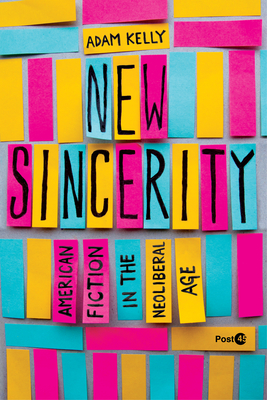
New Sincerity: American Fiction in the Neoliberal Age
The years 1989-2008 were an era of neoliberal hegemony in US politics, economy, and culture. Post*45 scholar Adam Kelly argues that American novelists who began their careers during these years--specifically the post-baby boom generation of writers born between the late 1950s and early 1970s--responded to the times by developing in their fiction an aesthetics of sincerity. How, and in what way, these writers ask, can you mean what you say, and avow what you feel, when what you say and feel can be bought and sold on the market? What is authentic art in a historical moment when the artist has become a model for neoliberal subjectivity rather than its negation? Through six chapters focused on key writers of the period--including Susan Choi, Helen DeWitt, Jennifer Egan, Dave Eggers, George Saunders, Dana Spiotta, Colson Whitehead, and David Foster Wallace--the book explores these central questions while intervening critically in a set of debates in contemporary literary studies concerning aesthetics, economy, gender, race, class, and politics. Offering the capstone articulation of a set of influential arguments made by the author over a decade and more, New Sincerity constitutes a field-defining account of a period that is simultaneously recent and historically bound, and of a generation of writers who continue to shape the literary landscape of the present.
The years 1989-2008 were an era of neoliberal hegemony in US politics, economy, and culture. Post*45 scholar Adam Kelly argues that American novelists who began their careers during these years-specifically the post-baby boom generation of writers born between the late 1950s and early 1970s-responded to the times by developing in their fiction an aesthetics of sincerity. How, and in what way, these writers ask, can you mean what you say, and avow what you feel, when what you say and feel can be bought and sold on the market? What is authentic art in a historical moment when the artist has become a model for neoliberal subjectivity rather than its negation? Through six chapters focused on key writers of the period-including Susan Choi, Helen DeWitt, Jennifer Egan, Dave Eggers, George Saunders, Dana Spiotta, Colson Whitehead, and David Foster Wallace-the book explores these central questions while intervening critically in a set of debates in contemporary literary studies concerning aesthetics, economy, gender, race, class, and politics. Offering the capstone articulation of a set of influential arguments
The years 1989-2008 were an era of neoliberal hegemony in US politics, economy, and culture. Post*45 scholar Adam Kelly argues that American novelists who began their careers during these years-specifically the post-baby boom generation of writers born between the late 1950s and early 1970s-responded to the times by developing in their fiction an aesthetics of sincerity. How, and in what way, these writers ask, can you mean what you say, and avow what you feel, when what you say and feel can be bought and sold on the market? What is authentic art in a historical moment when the artist has become a model for neoliberal subjectivity rather than its negation? Through six chapters focused on key writers of the period-including Susan Choi, Helen DeWitt, Jennifer Egan, Dave Eggers, George Saunders, Dana Spiotta, Colson Whitehead, and David Foster Wallace-the book explores these central questions while intervening critically in a set of debates in contemporary literary studies concerning aesthetics, economy, gender, race, class, and politics. Offering the capstone articulation of a set of influential arguments
PRP: 343.58 Lei

Acesta este Prețul Recomandat de Producător. Prețul de vânzare al produsului este afișat mai jos.
309.22Lei
309.22Lei
343.58 LeiPrimești 309 puncte
Livrare in 2-4 saptamani
Descrierea produsului
The years 1989-2008 were an era of neoliberal hegemony in US politics, economy, and culture. Post*45 scholar Adam Kelly argues that American novelists who began their careers during these years--specifically the post-baby boom generation of writers born between the late 1950s and early 1970s--responded to the times by developing in their fiction an aesthetics of sincerity. How, and in what way, these writers ask, can you mean what you say, and avow what you feel, when what you say and feel can be bought and sold on the market? What is authentic art in a historical moment when the artist has become a model for neoliberal subjectivity rather than its negation? Through six chapters focused on key writers of the period--including Susan Choi, Helen DeWitt, Jennifer Egan, Dave Eggers, George Saunders, Dana Spiotta, Colson Whitehead, and David Foster Wallace--the book explores these central questions while intervening critically in a set of debates in contemporary literary studies concerning aesthetics, economy, gender, race, class, and politics. Offering the capstone articulation of a set of influential arguments made by the author over a decade and more, New Sincerity constitutes a field-defining account of a period that is simultaneously recent and historically bound, and of a generation of writers who continue to shape the literary landscape of the present.
The years 1989-2008 were an era of neoliberal hegemony in US politics, economy, and culture. Post*45 scholar Adam Kelly argues that American novelists who began their careers during these years-specifically the post-baby boom generation of writers born between the late 1950s and early 1970s-responded to the times by developing in their fiction an aesthetics of sincerity. How, and in what way, these writers ask, can you mean what you say, and avow what you feel, when what you say and feel can be bought and sold on the market? What is authentic art in a historical moment when the artist has become a model for neoliberal subjectivity rather than its negation? Through six chapters focused on key writers of the period-including Susan Choi, Helen DeWitt, Jennifer Egan, Dave Eggers, George Saunders, Dana Spiotta, Colson Whitehead, and David Foster Wallace-the book explores these central questions while intervening critically in a set of debates in contemporary literary studies concerning aesthetics, economy, gender, race, class, and politics. Offering the capstone articulation of a set of influential arguments
The years 1989-2008 were an era of neoliberal hegemony in US politics, economy, and culture. Post*45 scholar Adam Kelly argues that American novelists who began their careers during these years-specifically the post-baby boom generation of writers born between the late 1950s and early 1970s-responded to the times by developing in their fiction an aesthetics of sincerity. How, and in what way, these writers ask, can you mean what you say, and avow what you feel, when what you say and feel can be bought and sold on the market? What is authentic art in a historical moment when the artist has become a model for neoliberal subjectivity rather than its negation? Through six chapters focused on key writers of the period-including Susan Choi, Helen DeWitt, Jennifer Egan, Dave Eggers, George Saunders, Dana Spiotta, Colson Whitehead, and David Foster Wallace-the book explores these central questions while intervening critically in a set of debates in contemporary literary studies concerning aesthetics, economy, gender, race, class, and politics. Offering the capstone articulation of a set of influential arguments
Detaliile produsului



