





Philosophy and Theurgy in Late Antiquity
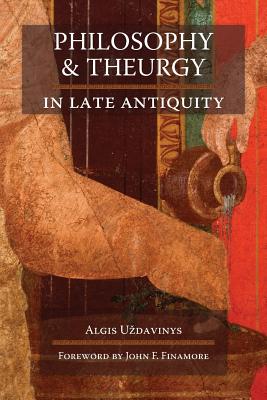
Philosophy and Theurgy in Late Antiquity
The ancient philosophy, in its original Orphico-Pythagorean and Platonic form, is not simply a way of life in accordance with the divine or human intellect (nous), but also the way of alchemical transformation and mystical illumination achieved through initiatic 'death' and subsequent restoration at the level of divine light. To use another mythical image, philosophy restores the soul's wings and leads the purified lover of wisdom to Heaven. As a means of spiritual reintegration and unification, ancient philosophy is inseparable from the hieratic rites. Therefore those scholars who themselves follow the anagogic path of Platonic tradition are more or less firmly convinced that their philosophy ultimately derives from the Egyptian and Mesopotamian temple liturgies and rituals, reinterpreted and revived by the Neoplatonists under the name of 'theurgy' in late antiquity. The theurgic 'animation' of statues appears to be among the main keys for understanding how various royal and priestly practices, related to the daily ritual service and encounter with the divine presence in the temples, developed into the Neoplatonic mysticism of late antiquity. The traditional theory of symbolism still stands on the Neoplatonic foundation established by Iamblichus, Proclus, and Damascius. "This book clearly establishes three things: that traditional myth (as the Neoplatonists maintained) is the symbolic expression of metaphysics, as metaphysics is the exegesis of myth; that Greek philosophy was not an isolated 'miracle' but a reinterpretation of perennial themes common to the ancient Near Eastern, Mesopotamian, Indian, and especially Egyptian religions; and that Platonic philosophical discourse was but one-half of a whole which included an invocatory/contemplative practice known as 'theurgy'. It was not merely the ancestor of western speculative philosophy, but an askesis, a yoga-a way of realization (though no longer a living tradition) worthy to be included among the great spiritual methods of all places and times." Charles Uupton, author of Knowings "In this most stimulating and wide-ranging work, Algis Uzdavinys, drawing on the resources of his enormous learning, leads Neoplatonic theurgy back to its roots in Ancient Egypt, thereby setting Platonic philosophy in a new and wider context. Students of Neoplatonism will find themselves much indebted to him for this, and all readers will find their outlook on life significantly changed.- Prof. John M. Dillon, Trinity
PRP: 164.92 Lei

Acesta este Prețul Recomandat de Producător. Prețul de vânzare al produsului este afișat mai jos.
148.43Lei
148.43Lei
164.92 LeiPrimești 148 puncte
Livrare in 2-4 saptamani
Descrierea produsului
The ancient philosophy, in its original Orphico-Pythagorean and Platonic form, is not simply a way of life in accordance with the divine or human intellect (nous), but also the way of alchemical transformation and mystical illumination achieved through initiatic 'death' and subsequent restoration at the level of divine light. To use another mythical image, philosophy restores the soul's wings and leads the purified lover of wisdom to Heaven. As a means of spiritual reintegration and unification, ancient philosophy is inseparable from the hieratic rites. Therefore those scholars who themselves follow the anagogic path of Platonic tradition are more or less firmly convinced that their philosophy ultimately derives from the Egyptian and Mesopotamian temple liturgies and rituals, reinterpreted and revived by the Neoplatonists under the name of 'theurgy' in late antiquity. The theurgic 'animation' of statues appears to be among the main keys for understanding how various royal and priestly practices, related to the daily ritual service and encounter with the divine presence in the temples, developed into the Neoplatonic mysticism of late antiquity. The traditional theory of symbolism still stands on the Neoplatonic foundation established by Iamblichus, Proclus, and Damascius. "This book clearly establishes three things: that traditional myth (as the Neoplatonists maintained) is the symbolic expression of metaphysics, as metaphysics is the exegesis of myth; that Greek philosophy was not an isolated 'miracle' but a reinterpretation of perennial themes common to the ancient Near Eastern, Mesopotamian, Indian, and especially Egyptian religions; and that Platonic philosophical discourse was but one-half of a whole which included an invocatory/contemplative practice known as 'theurgy'. It was not merely the ancestor of western speculative philosophy, but an askesis, a yoga-a way of realization (though no longer a living tradition) worthy to be included among the great spiritual methods of all places and times." Charles Uupton, author of Knowings "In this most stimulating and wide-ranging work, Algis Uzdavinys, drawing on the resources of his enormous learning, leads Neoplatonic theurgy back to its roots in Ancient Egypt, thereby setting Platonic philosophy in a new and wider context. Students of Neoplatonism will find themselves much indebted to him for this, and all readers will find their outlook on life significantly changed.- Prof. John M. Dillon, Trinity
Detaliile produsului
S-ar putea să-ți placă și
De același autor



Istoricul tău de navigare
Noi suntem despre cărți, și la fel este și
Newsletter-ul nostru.
Abonează-te la veștile literare și primești un cupon de -10% pentru viitoarea ta comandă!
*Reducerea aplicată prin cupon nu se cumulează, ci se aplică reducerea cea mai mare.
