





Preparation of Blends with black tea, green tea and white tea + 20 Blend Recipes with various types of Tea + Dehydration techniques for herbs, flowers
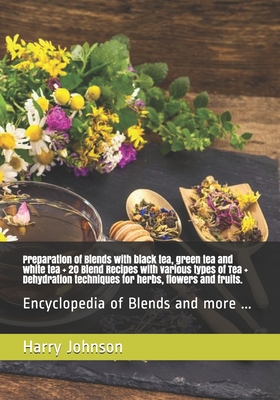
Preparation of Blends with black tea, green tea and white tea + 20 Blend Recipes with various types of Tea + Dehydration techniques for herbs, flowers
The tea plant is an evergreen tree in the genus of camellias. Its botanical name is Camellia sinensis and the full name of the tea plant is Camellia Sinensis (L.) O. Kuntze. Tea has transcended all borders and cultures and has spread throughout the world. Each country, each culture and region has adopted it in different ways, giving this millenary infusion its unique touch. According to its production method, tea is classified into white tea, green tea, black tea, oolong tea and puerh tea. From this book a selection of raw materials has been made together with the investigation of their properties, health benefits and organoleptic characteristics; The ingredients have undergone a dehydration process, it is one in which the food comes into contact with a stream of hot, unsaturated air, which heats the food up to the vaporization temperature of the water and removes it from the surface of the food. FROM THE BOOK: ABSTRACT2INTRODUCTION14CHAPTER 1 - THE TEA PLANT 161.1 Origin171.2 Conditions for growing: habitat, life cycle and annual of the plant191.2.1 The habitat of the tea plant201.2.2 The life cycle of the tea plant201.2.3 The cycle annual plant211.3 Tea consumption in the world221.4 Classification of tea, according to its method of preparation251.4.1 White tea251.4.2 Green tea261.4.3 Oolong tea261.4.5 Pu-erh tea27CHAPTER 2 - RAW MATERIALS SELECTION282.1Camellia Sinensis282. 1.1 White tea282.1.2 Green tea302.1.3 Black tea342.2 Herbs: physical / organoleptic characteristics, properties and health benefits362.2.1 Luisa Herb382.2.2 Good Herb392.2.3Guayusa402.2.4 Basil412.2.5 Eucalyptus422.2.6Cedron4 32.2.7 Sachanís442.2.8Mint452.3Flowers: physical / organoleptic characteristics, properties and health benefits 462.3.1Ataco472.3.2Wild rose482.3.4Violet502.3.5Jasmine512.3.6Borraja522.3.7Pumpkin flowers532.3.8Clavel542.3.9Marigold552.3 .3.11 Linden flower 572.3.12 Chamomile 582.4 Fruits: physical / organoleptic characteristics, properties and health benefits 592.4.1 Kiwi592.4.2Capulí602.4.3Ají612.4.4Guayaba622.4.5Chamburo632.4.6Pineapple642.4.7Naranjilla652.4.8Chirimoya66672.4.8Chirimoya66 4.10Fruit682.4.11Vanilla692.4.12Carambola702.4.13Cacao712.5Spices: physical / organoleptic characteristics, properties and health benefits722.5.1Cinnamon732.5.2Cardamom742.5.4Ishpingo762.5.5Ginger77CHAPTER 3 - DEHYDRATION DEHYDRATION TECHNIQUE783.1 DEHYDRATION DEHYDRATION TECHNIQUE783.1 2 Food spoilage factors and their control 783.2.1 Enzyme changes783.2.2 Chemical changes793
 GRATUIT CARGUS
PRP: 105.79 Lei

Acesta este Prețul Recomandat de Producător. Prețul de vânzare al produsului este afișat mai jos.
95.21Lei
95.21Lei
105.79 LeiPrimești 95 puncte
Livrare in 2-4 saptamani
Descrierea produsului
The tea plant is an evergreen tree in the genus of camellias. Its botanical name is Camellia sinensis and the full name of the tea plant is Camellia Sinensis (L.) O. Kuntze. Tea has transcended all borders and cultures and has spread throughout the world. Each country, each culture and region has adopted it in different ways, giving this millenary infusion its unique touch. According to its production method, tea is classified into white tea, green tea, black tea, oolong tea and puerh tea. From this book a selection of raw materials has been made together with the investigation of their properties, health benefits and organoleptic characteristics; The ingredients have undergone a dehydration process, it is one in which the food comes into contact with a stream of hot, unsaturated air, which heats the food up to the vaporization temperature of the water and removes it from the surface of the food. FROM THE BOOK: ABSTRACT2INTRODUCTION14CHAPTER 1 - THE TEA PLANT 161.1 Origin171.2 Conditions for growing: habitat, life cycle and annual of the plant191.2.1 The habitat of the tea plant201.2.2 The life cycle of the tea plant201.2.3 The cycle annual plant211.3 Tea consumption in the world221.4 Classification of tea, according to its method of preparation251.4.1 White tea251.4.2 Green tea261.4.3 Oolong tea261.4.5 Pu-erh tea27CHAPTER 2 - RAW MATERIALS SELECTION282.1Camellia Sinensis282. 1.1 White tea282.1.2 Green tea302.1.3 Black tea342.2 Herbs: physical / organoleptic characteristics, properties and health benefits362.2.1 Luisa Herb382.2.2 Good Herb392.2.3Guayusa402.2.4 Basil412.2.5 Eucalyptus422.2.6Cedron4 32.2.7 Sachanís442.2.8Mint452.3Flowers: physical / organoleptic characteristics, properties and health benefits 462.3.1Ataco472.3.2Wild rose482.3.4Violet502.3.5Jasmine512.3.6Borraja522.3.7Pumpkin flowers532.3.8Clavel542.3.9Marigold552.3 .3.11 Linden flower 572.3.12 Chamomile 582.4 Fruits: physical / organoleptic characteristics, properties and health benefits 592.4.1 Kiwi592.4.2Capulí602.4.3Ají612.4.4Guayaba622.4.5Chamburo632.4.6Pineapple642.4.7Naranjilla652.4.8Chirimoya66672.4.8Chirimoya66 4.10Fruit682.4.11Vanilla692.4.12Carambola702.4.13Cacao712.5Spices: physical / organoleptic characteristics, properties and health benefits722.5.1Cinnamon732.5.2Cardamom742.5.4Ishpingo762.5.5Ginger77CHAPTER 3 - DEHYDRATION DEHYDRATION TECHNIQUE783.1 DEHYDRATION DEHYDRATION TECHNIQUE783.1 2 Food spoilage factors and their control 783.2.1 Enzyme changes783.2.2 Chemical changes793
Detaliile produsului



