







Race and the War on Poverty: From Watts to East L.A. Volume 3
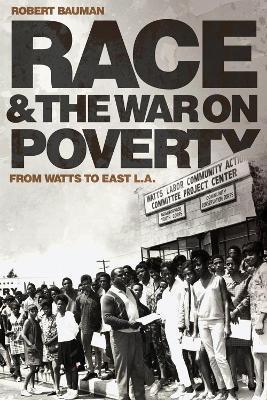
Race and the War on Poverty: From Watts to East L.A. Volume 3
President Lyndon B. Johnson's War on Poverty did more than offer aid to needy Americans; in some cities, it also sparked both racial conflict and cooperation. Race and the War on Poverty examines the African American and Mexican American community organizations in Los Angeles that emerged to implement War on Poverty programs. It explores how organizers applied democratic vision and political savvy to community action, and how the ongoing African American, Chicano, and feminist movements in turn shaped the contours of the War on Poverty's goals, programs, and cultural identity. Robert Bauman describes how the Watts riots of 1965 accelerated the creation of a black community-controlled agency, the Watts Labor Community Action Committee. The example of the WLCAC, combined with a burgeoning Chicano movement, inspired Mexican Americans to create The East Los Angeles Community Union (TELACU) and the Chicana Service Action Center. Bauman explores the connections that wove together the War on Poverty, the Watts revolt, and local movements in ways that empowered the participants economically, culturally, and politically. Although heated battles over race and other cultural issues sometimes derailed the programs, these organizations produced lasting positive effects for the communities they touched. Despite Nixon-era budget cuts and the nation's turn toward conservatism, the War on Poverty continues to be fought today as these agencies embrace the changing politics, economics, and demographics of Los Angeles. Race and the War on Poverty shows how the struggle to end poverty evolved in ways that would have surprised its planners, supporters, and detractors--and that what began as a grand vision at the national level continues to thrive on the streets of the community.
PRP: 204.14 Lei

Acesta este Prețul Recomandat de Producător. Prețul de vânzare al produsului este afișat mai jos.
183.73Lei
183.73Lei
204.14 LeiPrimești 183 puncte
Indisponibil
Descrierea produsului
President Lyndon B. Johnson's War on Poverty did more than offer aid to needy Americans; in some cities, it also sparked both racial conflict and cooperation. Race and the War on Poverty examines the African American and Mexican American community organizations in Los Angeles that emerged to implement War on Poverty programs. It explores how organizers applied democratic vision and political savvy to community action, and how the ongoing African American, Chicano, and feminist movements in turn shaped the contours of the War on Poverty's goals, programs, and cultural identity. Robert Bauman describes how the Watts riots of 1965 accelerated the creation of a black community-controlled agency, the Watts Labor Community Action Committee. The example of the WLCAC, combined with a burgeoning Chicano movement, inspired Mexican Americans to create The East Los Angeles Community Union (TELACU) and the Chicana Service Action Center. Bauman explores the connections that wove together the War on Poverty, the Watts revolt, and local movements in ways that empowered the participants economically, culturally, and politically. Although heated battles over race and other cultural issues sometimes derailed the programs, these organizations produced lasting positive effects for the communities they touched. Despite Nixon-era budget cuts and the nation's turn toward conservatism, the War on Poverty continues to be fought today as these agencies embrace the changing politics, economics, and demographics of Los Angeles. Race and the War on Poverty shows how the struggle to end poverty evolved in ways that would have surprised its planners, supporters, and detractors--and that what began as a grand vision at the national level continues to thrive on the streets of the community.
Detaliile produsului



