





Resurrection
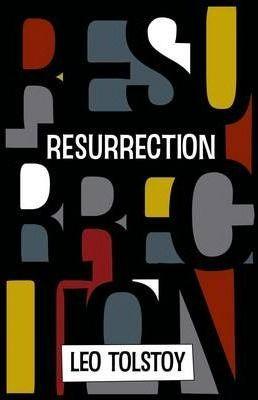
Resurrection
Published in 1900, 'Resurrection' is Tolstoy's final large-scale novel. It's a morally-driven tale of personal redemption, featuring fewer characters than either War and Peace or Anna Karenina. Here we focus on one man and a single story line that spirals around a long-forgotten incident in his youth, which turns out to have had tragic consequences for another. The hero is the young St Petersburg aristocrat, Prince Dmitri. Having seduced a woman - Katyusha - and made her pregnant, he'd left her on her on her own and had thought no more about her until ten years later, he finds himself on a jury trying her for murder. It becomes apparent that her life fell apart after their brief liaison; the baby died, and she drifted into alcoholism and prostitution. As he hears the story, Dmitri feels personally responsible for all that has happened, and after Katyusha is unjustly sent to Siberia, he begins a spiritual journey to save both her and himself. Can he ever make up for what he did to her all those years ago? It's a quest which takes him to the highest offices in the land and to the bleakest prisons, as the absurdities and inequalities of pre-revolution Russia are savagely exposed. Dmitri uncovers a moral wasteland of vested interest and uncaring attitudes, with Tolstoy particularly hostile towards the Orthodox Church, which excommunicated him a year later, and the Russian penal system. Just as Dickens did in England, Tolstoy exposes the misery of the Russian under-class, but he's less sentimental than Dickens and angrier. And there are echoes here of another voice as well. As Boyd Tonkin said, 'Nowhere does Tolstoy sound closer in spirit to his old foe, Dostoyevsky.' There is an interesting back-story to the book itself. Though finished in 1899 and published in 1900, it was started ten years previously in 1889, and might never have been completed but for Tolstoy's desire to help raise funds for the persecuted Doukhobor sect. The royalties from the book were given to the Doukhabors to fund their emigration to Canada. In the Doukhabors, (which literally means, 'spiritual wrestlers') Tolstoy found an antidote to the religion and society he denounces in 'Resurrection'; and a living embodiment of his own religious and social ideas. Here were a people committed to honest toil, living off the land, communal sharing, pacifist principles and the teachings of Christ in deed. As Tolstoy wrote in one of his many letters to them, 'You are taking the lead and many are g
PRP: 271.17 Lei

Acesta este Prețul Recomandat de Producător. Prețul de vânzare al produsului este afișat mai jos.
244.05Lei
244.05Lei
271.17 LeiPrimești 244 puncte
Indisponibil
Descrierea produsului
Published in 1900, 'Resurrection' is Tolstoy's final large-scale novel. It's a morally-driven tale of personal redemption, featuring fewer characters than either War and Peace or Anna Karenina. Here we focus on one man and a single story line that spirals around a long-forgotten incident in his youth, which turns out to have had tragic consequences for another. The hero is the young St Petersburg aristocrat, Prince Dmitri. Having seduced a woman - Katyusha - and made her pregnant, he'd left her on her on her own and had thought no more about her until ten years later, he finds himself on a jury trying her for murder. It becomes apparent that her life fell apart after their brief liaison; the baby died, and she drifted into alcoholism and prostitution. As he hears the story, Dmitri feels personally responsible for all that has happened, and after Katyusha is unjustly sent to Siberia, he begins a spiritual journey to save both her and himself. Can he ever make up for what he did to her all those years ago? It's a quest which takes him to the highest offices in the land and to the bleakest prisons, as the absurdities and inequalities of pre-revolution Russia are savagely exposed. Dmitri uncovers a moral wasteland of vested interest and uncaring attitudes, with Tolstoy particularly hostile towards the Orthodox Church, which excommunicated him a year later, and the Russian penal system. Just as Dickens did in England, Tolstoy exposes the misery of the Russian under-class, but he's less sentimental than Dickens and angrier. And there are echoes here of another voice as well. As Boyd Tonkin said, 'Nowhere does Tolstoy sound closer in spirit to his old foe, Dostoyevsky.' There is an interesting back-story to the book itself. Though finished in 1899 and published in 1900, it was started ten years previously in 1889, and might never have been completed but for Tolstoy's desire to help raise funds for the persecuted Doukhobor sect. The royalties from the book were given to the Doukhabors to fund their emigration to Canada. In the Doukhabors, (which literally means, 'spiritual wrestlers') Tolstoy found an antidote to the religion and society he denounces in 'Resurrection'; and a living embodiment of his own religious and social ideas. Here were a people committed to honest toil, living off the land, communal sharing, pacifist principles and the teachings of Christ in deed. As Tolstoy wrote in one of his many letters to them, 'You are taking the lead and many are g
Detaliile produsului



