







Shooting Up: A Short History of Drugs and War
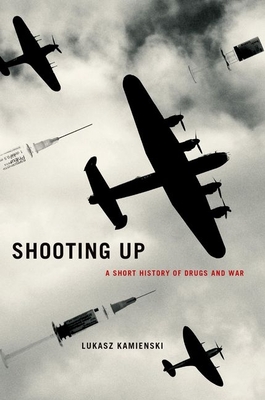
Shooting Up: A Short History of Drugs and War
Shooting Up: A Short History of Drugs and War examines how intoxicants have been put to the service of states, empires and their armies throughout history. Since the beginning of organized combat, armed forces have prescribed drugs to their members for two general purposes: to enhance performance during combat and to counter the trauma of killing and witnessing violence after it is over. Stimulants (e.g. alcohol, cocaine, and amphetamines) have been used to temporarily create better soldiers by that improving stamina, overcoming sleeplessness, eliminating fatigue, and increasing fighting spirit. Downers (e.g. alcohol, opiates, morphine, heroin, marijuana, barbiturates) have also been useful in dealing with the soldier's greatest enemy - shattered nerves. Kamienski's focuses on drugs "prescribed" by military authorities, but also documents the widespread unauthorised consumption by soldiers themselves. Combatants have always treated with various drugs and alcohol, mainly for
recreational use and as a reward to themselves for enduring the constant tension of preparing for. Although not officially approved, such "self-medication" is often been quietly tolerated by commanders in so far as it did not affect combat effectiveness. This volume spans the history of combat from the use of opium, coca, and mushrooms in pre-modern warfare to the efforts of modern militaries, during the Cold War in particular, to design psychochemical offensive weapons that can be used to incapacitate rather than to kill the enemy. Along the way, Kamienski provides fascinating coverage of on the European adoption of hashish during Napolean's invasion of Egypt, opium use during the American Civil War, amphetamines in the Third Reich, and the use of narcotics to control child soldiers in the rebel militias of contemporary Africa.
303.73Lei
303.73Lei
Primești 303 puncte

Livrare in 2-4 saptamani
Descrierea produsului
Shooting Up: A Short History of Drugs and War examines how intoxicants have been put to the service of states, empires and their armies throughout history. Since the beginning of organized combat, armed forces have prescribed drugs to their members for two general purposes: to enhance performance during combat and to counter the trauma of killing and witnessing violence after it is over. Stimulants (e.g. alcohol, cocaine, and amphetamines) have been used to temporarily create better soldiers by that improving stamina, overcoming sleeplessness, eliminating fatigue, and increasing fighting spirit. Downers (e.g. alcohol, opiates, morphine, heroin, marijuana, barbiturates) have also been useful in dealing with the soldier's greatest enemy - shattered nerves. Kamienski's focuses on drugs "prescribed" by military authorities, but also documents the widespread unauthorised consumption by soldiers themselves. Combatants have always treated with various drugs and alcohol, mainly for
recreational use and as a reward to themselves for enduring the constant tension of preparing for. Although not officially approved, such "self-medication" is often been quietly tolerated by commanders in so far as it did not affect combat effectiveness. This volume spans the history of combat from the use of opium, coca, and mushrooms in pre-modern warfare to the efforts of modern militaries, during the Cold War in particular, to design psychochemical offensive weapons that can be used to incapacitate rather than to kill the enemy. Along the way, Kamienski provides fascinating coverage of on the European adoption of hashish during Napolean's invasion of Egypt, opium use during the American Civil War, amphetamines in the Third Reich, and the use of narcotics to control child soldiers in the rebel militias of contemporary Africa.
Detaliile produsului



