





The Andrews Sisters: The Lives and Legacy of the Famous Singing Trio during the Swing Era
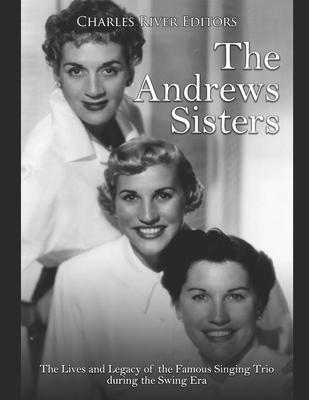
The Andrews Sisters: The Lives and Legacy of the Famous Singing Trio during the Swing Era
*Includes pictures
*Includes a bibliography for further reading
"I wanted to become an Andrews sister. My wish was that they could become a quartet and I'd be the fourth singer." - June Allyson, actress
The vaudeville era of the early 20th century dominated American entertainment with an endless array of "specialty" acts. Thousands of performers emerged from familiar American lives to test their novel talents with a voracious public in search of the next fad. Violin concertos were played on bicycle pumps, and contortionists defied gravity and the limits of human anatomy. Animal acts of every variety sought to up the ante in bringing the exotic to the American stage. One thread held most of these oddities together. Whatever the talent, it was virtually obligatory in most cases that both humans and animals incorporate singing and dancing into the act. This was particularly true for women regardless of the talent level or genre of specialty.
Acts based on family groups became increasingly common, and the genre of sister acts caught fire in the 1920s. Many of these female sibling groups emerged from Midwestern farms and small towns outside the large cities, a phenomenon that is still in play as young women from the American heartland arrive in Las Vegas and Los Angeles on an annual basis to search for stardom. However, in the vaudeville era, the exotic and the odd were often prized above quality, and in the words of author Colleen Cowie, many "performing girls were just pretty young things" of negligible qualifications at best. The appetite for simple beauty and acts based on mindless themes extended to men as well and typified the sort of entertainment a family member might devise for shows in a typical American living room.
One female singing group, a hometown trio from Minnesota, stepped into the waning years of sister acts with a quality that at least in their case revived a national interest in the genre. The public psychology that opened the door to the Andrews Sisters has been analyzed extensively through the decades, and their extraordinary success likely originated from multiple fascinations. Gary Giddins, noted biographer of Bing Crosby, is particularly qualified to venture his theory. Crosby worked extensively with the trio from the small town of Mound in the east central portion of the state. Giddins asserts that Patty, LaVerne, and Maxene Andrews created their "unique sound" in part through the development of a "very bright harmoni
*Includes a bibliography for further reading
"I wanted to become an Andrews sister. My wish was that they could become a quartet and I'd be the fourth singer." - June Allyson, actress
The vaudeville era of the early 20th century dominated American entertainment with an endless array of "specialty" acts. Thousands of performers emerged from familiar American lives to test their novel talents with a voracious public in search of the next fad. Violin concertos were played on bicycle pumps, and contortionists defied gravity and the limits of human anatomy. Animal acts of every variety sought to up the ante in bringing the exotic to the American stage. One thread held most of these oddities together. Whatever the talent, it was virtually obligatory in most cases that both humans and animals incorporate singing and dancing into the act. This was particularly true for women regardless of the talent level or genre of specialty.
Acts based on family groups became increasingly common, and the genre of sister acts caught fire in the 1920s. Many of these female sibling groups emerged from Midwestern farms and small towns outside the large cities, a phenomenon that is still in play as young women from the American heartland arrive in Las Vegas and Los Angeles on an annual basis to search for stardom. However, in the vaudeville era, the exotic and the odd were often prized above quality, and in the words of author Colleen Cowie, many "performing girls were just pretty young things" of negligible qualifications at best. The appetite for simple beauty and acts based on mindless themes extended to men as well and typified the sort of entertainment a family member might devise for shows in a typical American living room.
One female singing group, a hometown trio from Minnesota, stepped into the waning years of sister acts with a quality that at least in their case revived a national interest in the genre. The public psychology that opened the door to the Andrews Sisters has been analyzed extensively through the decades, and their extraordinary success likely originated from multiple fascinations. Gary Giddins, noted biographer of Bing Crosby, is particularly qualified to venture his theory. Crosby worked extensively with the trio from the small town of Mound in the east central portion of the state. Giddins asserts that Patty, LaVerne, and Maxene Andrews created their "unique sound" in part through the development of a "very bright harmoni
PRP: 77.42 Lei

Acesta este Prețul Recomandat de Producător. Prețul de vânzare al produsului este afișat mai jos.
61.94Lei
61.94Lei
77.42 LeiPrimești 61 puncte
Livrare in 2-4 saptamani
Descrierea produsului
*Includes pictures
*Includes a bibliography for further reading
"I wanted to become an Andrews sister. My wish was that they could become a quartet and I'd be the fourth singer." - June Allyson, actress
The vaudeville era of the early 20th century dominated American entertainment with an endless array of "specialty" acts. Thousands of performers emerged from familiar American lives to test their novel talents with a voracious public in search of the next fad. Violin concertos were played on bicycle pumps, and contortionists defied gravity and the limits of human anatomy. Animal acts of every variety sought to up the ante in bringing the exotic to the American stage. One thread held most of these oddities together. Whatever the talent, it was virtually obligatory in most cases that both humans and animals incorporate singing and dancing into the act. This was particularly true for women regardless of the talent level or genre of specialty.
Acts based on family groups became increasingly common, and the genre of sister acts caught fire in the 1920s. Many of these female sibling groups emerged from Midwestern farms and small towns outside the large cities, a phenomenon that is still in play as young women from the American heartland arrive in Las Vegas and Los Angeles on an annual basis to search for stardom. However, in the vaudeville era, the exotic and the odd were often prized above quality, and in the words of author Colleen Cowie, many "performing girls were just pretty young things" of negligible qualifications at best. The appetite for simple beauty and acts based on mindless themes extended to men as well and typified the sort of entertainment a family member might devise for shows in a typical American living room.
One female singing group, a hometown trio from Minnesota, stepped into the waning years of sister acts with a quality that at least in their case revived a national interest in the genre. The public psychology that opened the door to the Andrews Sisters has been analyzed extensively through the decades, and their extraordinary success likely originated from multiple fascinations. Gary Giddins, noted biographer of Bing Crosby, is particularly qualified to venture his theory. Crosby worked extensively with the trio from the small town of Mound in the east central portion of the state. Giddins asserts that Patty, LaVerne, and Maxene Andrews created their "unique sound" in part through the development of a "very bright harmoni
*Includes a bibliography for further reading
"I wanted to become an Andrews sister. My wish was that they could become a quartet and I'd be the fourth singer." - June Allyson, actress
The vaudeville era of the early 20th century dominated American entertainment with an endless array of "specialty" acts. Thousands of performers emerged from familiar American lives to test their novel talents with a voracious public in search of the next fad. Violin concertos were played on bicycle pumps, and contortionists defied gravity and the limits of human anatomy. Animal acts of every variety sought to up the ante in bringing the exotic to the American stage. One thread held most of these oddities together. Whatever the talent, it was virtually obligatory in most cases that both humans and animals incorporate singing and dancing into the act. This was particularly true for women regardless of the talent level or genre of specialty.
Acts based on family groups became increasingly common, and the genre of sister acts caught fire in the 1920s. Many of these female sibling groups emerged from Midwestern farms and small towns outside the large cities, a phenomenon that is still in play as young women from the American heartland arrive in Las Vegas and Los Angeles on an annual basis to search for stardom. However, in the vaudeville era, the exotic and the odd were often prized above quality, and in the words of author Colleen Cowie, many "performing girls were just pretty young things" of negligible qualifications at best. The appetite for simple beauty and acts based on mindless themes extended to men as well and typified the sort of entertainment a family member might devise for shows in a typical American living room.
One female singing group, a hometown trio from Minnesota, stepped into the waning years of sister acts with a quality that at least in their case revived a national interest in the genre. The public psychology that opened the door to the Andrews Sisters has been analyzed extensively through the decades, and their extraordinary success likely originated from multiple fascinations. Gary Giddins, noted biographer of Bing Crosby, is particularly qualified to venture his theory. Crosby worked extensively with the trio from the small town of Mound in the east central portion of the state. Giddins asserts that Patty, LaVerne, and Maxene Andrews created their "unique sound" in part through the development of a "very bright harmoni
Detaliile produsului



