







The Austro-Prussian War and Franco-Prussian War: The History of the Wars that Led to Prussia's Unification of Germany
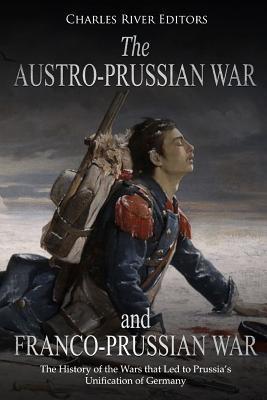
The Austro-Prussian War and Franco-Prussian War: The History of the Wars that Led to Prussia's Unification of Germany
*Includes pictures
*Includes online resources and a bibliography for further reading
Locked in a balance of power since the 1815 Congress of Vienna, the world was dominated by the great European powers of Britain, France, Russia, and Austria, and at the Congress of Vienna itself, Prussia had been a minor concern. Though the Prussians had come through in time to assist the Duke of Wellington at Waterloo, they were nevertheless taken for granted at the conference, with the major powers instead preferring to deal with the more historically powerful Austrian Hapsburgs. In his scathing commentary on Prussian culture, When Blood is Their Argument, Ford Maddox Ford attempted to explain the sudden rise of Prussian political and economic status from 1849-1880, writing, "She [Prussia] had pushed herself from being a bad second in the comity of Germanism into a position of equality with, if not of predominance over, Austria, amongst the German peoples."
Prussian leaders, especially Otto von Bismarck, the chancellor and advisor to Prussia's king, believed Prussia could be a united and respected power, but only without the traditional Austrian dominance. At the time, the Austrian empire was a collection of ethnically diverse peoples and had been dominated by a socio-political conservatism that sought to keep the empire ruled in Hapsburg tradition.
After Prussia was victorious in the Austro-Prussian War, Bismarck played a waiting game where the unification of Germany was concerned, as the joining of the southern states - initially resistant to Prussian rule, friendly with Austria, and bent on independence - would have to be overcome. What was needed was "a clear case of French aggression" toward either Prussia or the southern states. Not only would such a move by Emperor Napoleon III trigger the terms of the treaty between the German states, but it would keep the remaining world powers out of the conflict.
The Franco-Prussian War started in August 1870, and a number of victories followed for the Prussians in battles in northeast France. By September, the strategic city of Metz was under siege, and forces fought a major battle at Sedan. Led by Field Marshal Helmuth von Moltke, the Prussians forced the French to surrender at Metz, and then at Sedan. Emperor Napoleon III, commanding his country's forces at Sedan, was taken prisoner, humiliating France and its impetuous leader.
The Prussians immediately marched on Paris, but the capital refused
*Includes online resources and a bibliography for further reading
Locked in a balance of power since the 1815 Congress of Vienna, the world was dominated by the great European powers of Britain, France, Russia, and Austria, and at the Congress of Vienna itself, Prussia had been a minor concern. Though the Prussians had come through in time to assist the Duke of Wellington at Waterloo, they were nevertheless taken for granted at the conference, with the major powers instead preferring to deal with the more historically powerful Austrian Hapsburgs. In his scathing commentary on Prussian culture, When Blood is Their Argument, Ford Maddox Ford attempted to explain the sudden rise of Prussian political and economic status from 1849-1880, writing, "She [Prussia] had pushed herself from being a bad second in the comity of Germanism into a position of equality with, if not of predominance over, Austria, amongst the German peoples."
Prussian leaders, especially Otto von Bismarck, the chancellor and advisor to Prussia's king, believed Prussia could be a united and respected power, but only without the traditional Austrian dominance. At the time, the Austrian empire was a collection of ethnically diverse peoples and had been dominated by a socio-political conservatism that sought to keep the empire ruled in Hapsburg tradition.
After Prussia was victorious in the Austro-Prussian War, Bismarck played a waiting game where the unification of Germany was concerned, as the joining of the southern states - initially resistant to Prussian rule, friendly with Austria, and bent on independence - would have to be overcome. What was needed was "a clear case of French aggression" toward either Prussia or the southern states. Not only would such a move by Emperor Napoleon III trigger the terms of the treaty between the German states, but it would keep the remaining world powers out of the conflict.
The Franco-Prussian War started in August 1870, and a number of victories followed for the Prussians in battles in northeast France. By September, the strategic city of Metz was under siege, and forces fought a major battle at Sedan. Led by Field Marshal Helmuth von Moltke, the Prussians forced the French to surrender at Metz, and then at Sedan. Emperor Napoleon III, commanding his country's forces at Sedan, was taken prisoner, humiliating France and its impetuous leader.
The Prussians immediately marched on Paris, but the capital refused
102.61Lei
102.61Lei
Primești 102 puncte

Livrare in 2-4 saptamani
Descrierea produsului
*Includes pictures
*Includes online resources and a bibliography for further reading
Locked in a balance of power since the 1815 Congress of Vienna, the world was dominated by the great European powers of Britain, France, Russia, and Austria, and at the Congress of Vienna itself, Prussia had been a minor concern. Though the Prussians had come through in time to assist the Duke of Wellington at Waterloo, they were nevertheless taken for granted at the conference, with the major powers instead preferring to deal with the more historically powerful Austrian Hapsburgs. In his scathing commentary on Prussian culture, When Blood is Their Argument, Ford Maddox Ford attempted to explain the sudden rise of Prussian political and economic status from 1849-1880, writing, "She [Prussia] had pushed herself from being a bad second in the comity of Germanism into a position of equality with, if not of predominance over, Austria, amongst the German peoples."
Prussian leaders, especially Otto von Bismarck, the chancellor and advisor to Prussia's king, believed Prussia could be a united and respected power, but only without the traditional Austrian dominance. At the time, the Austrian empire was a collection of ethnically diverse peoples and had been dominated by a socio-political conservatism that sought to keep the empire ruled in Hapsburg tradition.
After Prussia was victorious in the Austro-Prussian War, Bismarck played a waiting game where the unification of Germany was concerned, as the joining of the southern states - initially resistant to Prussian rule, friendly with Austria, and bent on independence - would have to be overcome. What was needed was "a clear case of French aggression" toward either Prussia or the southern states. Not only would such a move by Emperor Napoleon III trigger the terms of the treaty between the German states, but it would keep the remaining world powers out of the conflict.
The Franco-Prussian War started in August 1870, and a number of victories followed for the Prussians in battles in northeast France. By September, the strategic city of Metz was under siege, and forces fought a major battle at Sedan. Led by Field Marshal Helmuth von Moltke, the Prussians forced the French to surrender at Metz, and then at Sedan. Emperor Napoleon III, commanding his country's forces at Sedan, was taken prisoner, humiliating France and its impetuous leader.
The Prussians immediately marched on Paris, but the capital refused
*Includes online resources and a bibliography for further reading
Locked in a balance of power since the 1815 Congress of Vienna, the world was dominated by the great European powers of Britain, France, Russia, and Austria, and at the Congress of Vienna itself, Prussia had been a minor concern. Though the Prussians had come through in time to assist the Duke of Wellington at Waterloo, they were nevertheless taken for granted at the conference, with the major powers instead preferring to deal with the more historically powerful Austrian Hapsburgs. In his scathing commentary on Prussian culture, When Blood is Their Argument, Ford Maddox Ford attempted to explain the sudden rise of Prussian political and economic status from 1849-1880, writing, "She [Prussia] had pushed herself from being a bad second in the comity of Germanism into a position of equality with, if not of predominance over, Austria, amongst the German peoples."
Prussian leaders, especially Otto von Bismarck, the chancellor and advisor to Prussia's king, believed Prussia could be a united and respected power, but only without the traditional Austrian dominance. At the time, the Austrian empire was a collection of ethnically diverse peoples and had been dominated by a socio-political conservatism that sought to keep the empire ruled in Hapsburg tradition.
After Prussia was victorious in the Austro-Prussian War, Bismarck played a waiting game where the unification of Germany was concerned, as the joining of the southern states - initially resistant to Prussian rule, friendly with Austria, and bent on independence - would have to be overcome. What was needed was "a clear case of French aggression" toward either Prussia or the southern states. Not only would such a move by Emperor Napoleon III trigger the terms of the treaty between the German states, but it would keep the remaining world powers out of the conflict.
The Franco-Prussian War started in August 1870, and a number of victories followed for the Prussians in battles in northeast France. By September, the strategic city of Metz was under siege, and forces fought a major battle at Sedan. Led by Field Marshal Helmuth von Moltke, the Prussians forced the French to surrender at Metz, and then at Sedan. Emperor Napoleon III, commanding his country's forces at Sedan, was taken prisoner, humiliating France and its impetuous leader.
The Prussians immediately marched on Paris, but the capital refused
Detaliile produsului



