





The Ethics of Identity
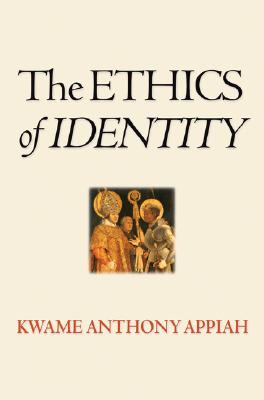
The Ethics of Identity
Race, ethnicity, nationality, religion, gender, sexuality: in the past couple of decades, a great deal of attention has been paid to such collective identities. They clamor for recognition and respect, sometimes at the expense of other things we value. But to what extent do "identities" constrain our freedom, our ability to make an individual life, and to what extent do they enable our individuality? In this beautifully written work, renowned philosopher and African Studies scholar Kwame Anthony Appiah draws on thinkers through the ages and across the globe to explore such questions.
The Ethics of Identity takes seriously both the claims of individuality--the task of making a life--and the claims of identity, these large and often abstract social categories through which we define ourselves. What sort of life one should lead is a subject that has preoccupied moral and political thinkers from Aristotle to Mill. Here, Appiah develops an account of ethics, in just this venerable sense--but an account that connects moral obligations with collective allegiances, our individuality with our identities. As he observes, the question who we are has always been linked to the question what we are. Adopting a broadly interdisciplinary perspective, Appiah takes aim at the clichés and received ideas amid which talk of identity so often founders. Is "culture" a good? For that matter, does the concept of culture really explain anything? Is diversity of value in itself? Are moral obligations the only kind there are? Has the rhetoric of "human rights" been overstretched? In the end, Appiah's arguments make it harder to think of the world as divided between the West and the Rest; between locals and cosmopolitans; between Us and Them. The result is a new vision of liberal humanism--one that can accommodate the vagaries and variety that make us human.PRP: 244.80 Lei

Acesta este Prețul Recomandat de Producător. Prețul de vânzare al produsului este afișat mai jos.
195.84Lei
195.84Lei
244.80 LeiPrimești 195 puncte
Livrare in 2-4 saptamani
Descrierea produsului
Race, ethnicity, nationality, religion, gender, sexuality: in the past couple of decades, a great deal of attention has been paid to such collective identities. They clamor for recognition and respect, sometimes at the expense of other things we value. But to what extent do "identities" constrain our freedom, our ability to make an individual life, and to what extent do they enable our individuality? In this beautifully written work, renowned philosopher and African Studies scholar Kwame Anthony Appiah draws on thinkers through the ages and across the globe to explore such questions.
The Ethics of Identity takes seriously both the claims of individuality--the task of making a life--and the claims of identity, these large and often abstract social categories through which we define ourselves. What sort of life one should lead is a subject that has preoccupied moral and political thinkers from Aristotle to Mill. Here, Appiah develops an account of ethics, in just this venerable sense--but an account that connects moral obligations with collective allegiances, our individuality with our identities. As he observes, the question who we are has always been linked to the question what we are. Adopting a broadly interdisciplinary perspective, Appiah takes aim at the clichés and received ideas amid which talk of identity so often founders. Is "culture" a good? For that matter, does the concept of culture really explain anything? Is diversity of value in itself? Are moral obligations the only kind there are? Has the rhetoric of "human rights" been overstretched? In the end, Appiah's arguments make it harder to think of the world as divided between the West and the Rest; between locals and cosmopolitans; between Us and Them. The result is a new vision of liberal humanism--one that can accommodate the vagaries and variety that make us human.Detaliile produsului



