





The Ghosts of Stalingrad: Why the Airlift Didn't Work
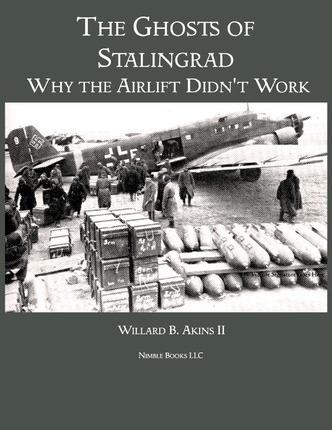
The Ghosts of Stalingrad: Why the Airlift Didn't Work
The Battle of Stalingrad was a disaster. The German Sixth Army consisted of over 300,000 men when it approached Stalingrad in August 1942. On 2 February 1943, 91,000 remained; only some 5,000 survived Soviet captivity. Largely due to the success of previous aerial resupply operations, Luftwaffe leaders assured Hitler they could successfully supply the Sixth Army after it was trapped. However, the Luftwaffe was not up to the challenge. The primary reason was the weather, but organizational and structural flaws, as well as enemy actions, also contributed to their failure. This thesis will address why the Demyansk and Kholm airlifts convinced the Germans that airlift was a panacea for encircled forces; the lessons learned from these airlifts and how they were applied at Stalingrad; why Hitler ordered the Stalingrad airlift despite the logistical impossibility; and seek out lessons for todayYs military. The primary reason for the Stalingrad tragedy was that Germany' strategic leadership did not apply lessons learned from earlier airlifts to the Stalingrad airlift, and the U.S. military is making similar mistakes with respect to the way it is handling its lessons learned from recent military operations
PRP: 140.45 Lei

Acesta este Prețul Recomandat de Producător. Prețul de vânzare al produsului este afișat mai jos.
126.40Lei
126.40Lei
140.45 LeiPrimești 126 puncte
Livrare in 2-4 saptamani
Descrierea produsului
The Battle of Stalingrad was a disaster. The German Sixth Army consisted of over 300,000 men when it approached Stalingrad in August 1942. On 2 February 1943, 91,000 remained; only some 5,000 survived Soviet captivity. Largely due to the success of previous aerial resupply operations, Luftwaffe leaders assured Hitler they could successfully supply the Sixth Army after it was trapped. However, the Luftwaffe was not up to the challenge. The primary reason was the weather, but organizational and structural flaws, as well as enemy actions, also contributed to their failure. This thesis will address why the Demyansk and Kholm airlifts convinced the Germans that airlift was a panacea for encircled forces; the lessons learned from these airlifts and how they were applied at Stalingrad; why Hitler ordered the Stalingrad airlift despite the logistical impossibility; and seek out lessons for todayYs military. The primary reason for the Stalingrad tragedy was that Germany' strategic leadership did not apply lessons learned from earlier airlifts to the Stalingrad airlift, and the U.S. military is making similar mistakes with respect to the way it is handling its lessons learned from recent military operations
Detaliile produsului



