





The Physiology of Resistance Training
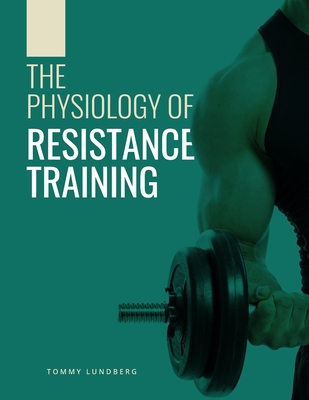
The Physiology of Resistance Training
Resistance training is no longer a trend. It's a science-based method for improving health and performance, and it's here to stay. "The Physiology of Resistance Training" provides an in-depth examination of the physiological mechanisms underlying resistance training. This comprehensive book is primarily aimed at undergraduate and graduate students in exercise science and related disciplines, but it will also be invaluable to professionals in the fields of medicine, health, sports, and strength and conditioning. Content at a glance: Skeletal Muscle Physiology The role of the nervous system in force production Acute and chronic training adaptations Mechanisms of muscle hypertrophy Factors influencing individual responses Protein and nutritional supplements Health effects and aging Evidence-based training guidelines
Full chapter list:
Introduction - 1. Muscle structure and function - 2. Muscle contraction and energy metabolism - 3. Biological basis of force production - 4. Muscle protein turnover - 5. Neuromuscular adaptations - 6. Hypertrophy - 7. Mechanisms for hypertrophy - 8. Metabolic and hormonal adaptations - 9. Muscle architecture, bone, and elastic components - 10. Training variables and program design - 11. The role of protein intake - 12. Dietary supplements for resistance training - 13. Muscle fatigue and exercise-induced muscle damage - 14. Recovery strategies - 15. Concurrent resistance and endurance training - 16. Health benefits of resistance training - 17. Resistance training for specific target groups Written by leading researcher Dr. Tommy Lundberg, this book integrates molecular, structural, and applied perspectives of resistance training. It provides the reader with the latest scientific findings and offers a deeper understanding of the subject. With illustrations, diagrams, references to further reading, and practical insights into controversial topics, it is an indispensable resource not only for students but also for professionals seeking to expand their expertise. About the author: Dr Tommy Lundberg is a leading researcher in the physiology of resistance training. He has more than a decade of teaching and research experience in this field at the renowned Karolinska Institutet in Sweden. Dr Lundberg received his PhD in sports science in 2014 and focused his work on muscle hypertrophy adaptations to resistance training. He has published widely on the physiology of resistance training and exercise science in peer-reviewed journal
Full chapter list:
Introduction - 1. Muscle structure and function - 2. Muscle contraction and energy metabolism - 3. Biological basis of force production - 4. Muscle protein turnover - 5. Neuromuscular adaptations - 6. Hypertrophy - 7. Mechanisms for hypertrophy - 8. Metabolic and hormonal adaptations - 9. Muscle architecture, bone, and elastic components - 10. Training variables and program design - 11. The role of protein intake - 12. Dietary supplements for resistance training - 13. Muscle fatigue and exercise-induced muscle damage - 14. Recovery strategies - 15. Concurrent resistance and endurance training - 16. Health benefits of resistance training - 17. Resistance training for specific target groups Written by leading researcher Dr. Tommy Lundberg, this book integrates molecular, structural, and applied perspectives of resistance training. It provides the reader with the latest scientific findings and offers a deeper understanding of the subject. With illustrations, diagrams, references to further reading, and practical insights into controversial topics, it is an indispensable resource not only for students but also for professionals seeking to expand their expertise. About the author: Dr Tommy Lundberg is a leading researcher in the physiology of resistance training. He has more than a decade of teaching and research experience in this field at the renowned Karolinska Institutet in Sweden. Dr Lundberg received his PhD in sports science in 2014 and focused his work on muscle hypertrophy adaptations to resistance training. He has published widely on the physiology of resistance training and exercise science in peer-reviewed journal
PRP: 349.71 Lei

Acesta este Prețul Recomandat de Producător. Prețul de vânzare al produsului este afișat mai jos.
314.74Lei
314.74Lei
349.71 LeiPrimești 314 puncte
Livrare in 2-4 saptamani
Descrierea produsului
Resistance training is no longer a trend. It's a science-based method for improving health and performance, and it's here to stay. "The Physiology of Resistance Training" provides an in-depth examination of the physiological mechanisms underlying resistance training. This comprehensive book is primarily aimed at undergraduate and graduate students in exercise science and related disciplines, but it will also be invaluable to professionals in the fields of medicine, health, sports, and strength and conditioning. Content at a glance: Skeletal Muscle Physiology The role of the nervous system in force production Acute and chronic training adaptations Mechanisms of muscle hypertrophy Factors influencing individual responses Protein and nutritional supplements Health effects and aging Evidence-based training guidelines
Full chapter list:
Introduction - 1. Muscle structure and function - 2. Muscle contraction and energy metabolism - 3. Biological basis of force production - 4. Muscle protein turnover - 5. Neuromuscular adaptations - 6. Hypertrophy - 7. Mechanisms for hypertrophy - 8. Metabolic and hormonal adaptations - 9. Muscle architecture, bone, and elastic components - 10. Training variables and program design - 11. The role of protein intake - 12. Dietary supplements for resistance training - 13. Muscle fatigue and exercise-induced muscle damage - 14. Recovery strategies - 15. Concurrent resistance and endurance training - 16. Health benefits of resistance training - 17. Resistance training for specific target groups Written by leading researcher Dr. Tommy Lundberg, this book integrates molecular, structural, and applied perspectives of resistance training. It provides the reader with the latest scientific findings and offers a deeper understanding of the subject. With illustrations, diagrams, references to further reading, and practical insights into controversial topics, it is an indispensable resource not only for students but also for professionals seeking to expand their expertise. About the author: Dr Tommy Lundberg is a leading researcher in the physiology of resistance training. He has more than a decade of teaching and research experience in this field at the renowned Karolinska Institutet in Sweden. Dr Lundberg received his PhD in sports science in 2014 and focused his work on muscle hypertrophy adaptations to resistance training. He has published widely on the physiology of resistance training and exercise science in peer-reviewed journal
Full chapter list:
Introduction - 1. Muscle structure and function - 2. Muscle contraction and energy metabolism - 3. Biological basis of force production - 4. Muscle protein turnover - 5. Neuromuscular adaptations - 6. Hypertrophy - 7. Mechanisms for hypertrophy - 8. Metabolic and hormonal adaptations - 9. Muscle architecture, bone, and elastic components - 10. Training variables and program design - 11. The role of protein intake - 12. Dietary supplements for resistance training - 13. Muscle fatigue and exercise-induced muscle damage - 14. Recovery strategies - 15. Concurrent resistance and endurance training - 16. Health benefits of resistance training - 17. Resistance training for specific target groups Written by leading researcher Dr. Tommy Lundberg, this book integrates molecular, structural, and applied perspectives of resistance training. It provides the reader with the latest scientific findings and offers a deeper understanding of the subject. With illustrations, diagrams, references to further reading, and practical insights into controversial topics, it is an indispensable resource not only for students but also for professionals seeking to expand their expertise. About the author: Dr Tommy Lundberg is a leading researcher in the physiology of resistance training. He has more than a decade of teaching and research experience in this field at the renowned Karolinska Institutet in Sweden. Dr Lundberg received his PhD in sports science in 2014 and focused his work on muscle hypertrophy adaptations to resistance training. He has published widely on the physiology of resistance training and exercise science in peer-reviewed journal
Detaliile produsului



