





Unending Capitalism: How Consumerism Negated China's Communist Revolution
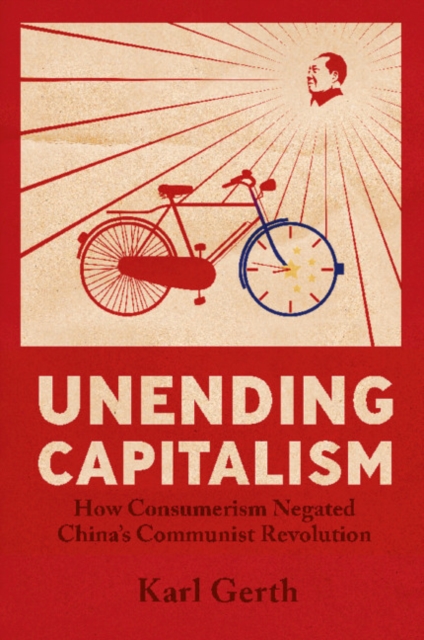
Unending Capitalism: How Consumerism Negated China's Communist Revolution
What forces shaped the twentieth-century world? Capitalism and communism are usually seen as engaged in a fight-to-the-death during the Cold War. With the establishment of the People's Republic of China in 1949, the Chinese Communist Party aimed to end capitalism. Karl Gerth argues that despite the socialist rhetoric of class warfare and egalitarianism, Communist Party policies actually developed a variety of capitalism and expanded consumerism. This negated the goals of the Communist Revolution across the Mao era (1949-1976) down to the present. Through topics related to state attempts to manage what people began to desire - wristwatches and bicycles, films and fashion, leisure travel and Mao badges - Gerth challenges fundamental assumptions about capitalism, communism, and countries conventionally labeled as socialist. In so doing, his provocative history of China suggests how larger forces related to the desire for mass-produced consumer goods reshaped the twentieth-century world and remade people's lives.
PRP: 263.41 Lei

Acesta este Prețul Recomandat de Producător. Prețul de vânzare al produsului este afișat mai jos.
237.07Lei
237.07Lei
263.41 LeiPrimești 237 puncte
Livrare in 2-4 saptamani
Descrierea produsului
What forces shaped the twentieth-century world? Capitalism and communism are usually seen as engaged in a fight-to-the-death during the Cold War. With the establishment of the People's Republic of China in 1949, the Chinese Communist Party aimed to end capitalism. Karl Gerth argues that despite the socialist rhetoric of class warfare and egalitarianism, Communist Party policies actually developed a variety of capitalism and expanded consumerism. This negated the goals of the Communist Revolution across the Mao era (1949-1976) down to the present. Through topics related to state attempts to manage what people began to desire - wristwatches and bicycles, films and fashion, leisure travel and Mao badges - Gerth challenges fundamental assumptions about capitalism, communism, and countries conventionally labeled as socialist. In so doing, his provocative history of China suggests how larger forces related to the desire for mass-produced consumer goods reshaped the twentieth-century world and remade people's lives.
Detaliile produsului



