







Why Teens Self-Harm?: Helping Teenagers Recover From Suicidal and Self-Harm Behaviors
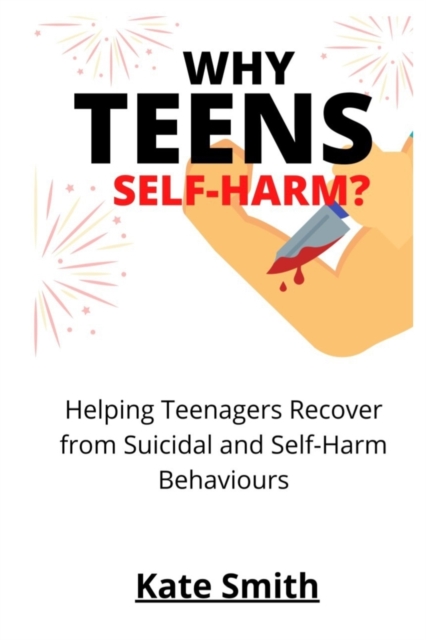
Why Teens Self-Harm?: Helping Teenagers Recover From Suicidal and Self-Harm Behaviors
Self-harm is when people deliberately hurt themselves as a way of coping with painful or strong emotions. It's a way of trying to get control over the feelings or relief from them.
Self-harm needs to be taken seriously. It can become a habit or a compulsion. Repeated self-harm can lead to serious injuries, scarring, medical conditions and accidental death. And people who self-harm are at increased risk of attempting suicide.
Some teenagers and young people deal with strong emotions in less obvious but still serious ways. These include binge-drinking, taking a lot of drugs, having unsafe sex or starving themselves.
An important part of helping teens recover from self-harm is understanding why they do it in the first place. There isn't a simple answer to this question but, in general, some teens use self-harm to relieve tension by stimulating endorphins while others use self-harm to feel physical pain instead of emotional numbness. Stress and pressure, anxiety, and depression are all associated with self-harm in adolescence.
Take time to identify your own feelings and find a way to express them. This might mean having a good cry, talking with a friend, or going for a walk to let off steam or quietly reflect. If you feel overwhelmed, talking with a therapist can help you sort things through and gain some perspective so that you can provide the support your teen needs. Parents can help teens who cut - and the earlier, the better. Cutting can be habit-forming, and sadly, many people underestimate the risks of getting seriously sick or hurt that go along with it.
The most important thing is letting your child know that strong feelings are normal - but they're also hard to have. And when you're in your teens, things can seem even harder. IT IS IMPORTANT YOU GET A COPY OF THIS BOOK.
Self-harm needs to be taken seriously. It can become a habit or a compulsion. Repeated self-harm can lead to serious injuries, scarring, medical conditions and accidental death. And people who self-harm are at increased risk of attempting suicide.
Some teenagers and young people deal with strong emotions in less obvious but still serious ways. These include binge-drinking, taking a lot of drugs, having unsafe sex or starving themselves.
An important part of helping teens recover from self-harm is understanding why they do it in the first place. There isn't a simple answer to this question but, in general, some teens use self-harm to relieve tension by stimulating endorphins while others use self-harm to feel physical pain instead of emotional numbness. Stress and pressure, anxiety, and depression are all associated with self-harm in adolescence.
Take time to identify your own feelings and find a way to express them. This might mean having a good cry, talking with a friend, or going for a walk to let off steam or quietly reflect. If you feel overwhelmed, talking with a therapist can help you sort things through and gain some perspective so that you can provide the support your teen needs. Parents can help teens who cut - and the earlier, the better. Cutting can be habit-forming, and sadly, many people underestimate the risks of getting seriously sick or hurt that go along with it.
The most important thing is letting your child know that strong feelings are normal - but they're also hard to have. And when you're in your teens, things can seem even harder. IT IS IMPORTANT YOU GET A COPY OF THIS BOOK.
PRP: 62.92 Lei

Acesta este Prețul Recomandat de Producător. Prețul de vânzare al produsului este afișat mai jos.
56.63Lei
56.63Lei
62.92 LeiPrimești 56 puncte
Livrare in 2-4 saptamani
Descrierea produsului
Self-harm is when people deliberately hurt themselves as a way of coping with painful or strong emotions. It's a way of trying to get control over the feelings or relief from them.
Self-harm needs to be taken seriously. It can become a habit or a compulsion. Repeated self-harm can lead to serious injuries, scarring, medical conditions and accidental death. And people who self-harm are at increased risk of attempting suicide.
Some teenagers and young people deal with strong emotions in less obvious but still serious ways. These include binge-drinking, taking a lot of drugs, having unsafe sex or starving themselves.
An important part of helping teens recover from self-harm is understanding why they do it in the first place. There isn't a simple answer to this question but, in general, some teens use self-harm to relieve tension by stimulating endorphins while others use self-harm to feel physical pain instead of emotional numbness. Stress and pressure, anxiety, and depression are all associated with self-harm in adolescence.
Take time to identify your own feelings and find a way to express them. This might mean having a good cry, talking with a friend, or going for a walk to let off steam or quietly reflect. If you feel overwhelmed, talking with a therapist can help you sort things through and gain some perspective so that you can provide the support your teen needs. Parents can help teens who cut - and the earlier, the better. Cutting can be habit-forming, and sadly, many people underestimate the risks of getting seriously sick or hurt that go along with it.
The most important thing is letting your child know that strong feelings are normal - but they're also hard to have. And when you're in your teens, things can seem even harder. IT IS IMPORTANT YOU GET A COPY OF THIS BOOK.
Self-harm needs to be taken seriously. It can become a habit or a compulsion. Repeated self-harm can lead to serious injuries, scarring, medical conditions and accidental death. And people who self-harm are at increased risk of attempting suicide.
Some teenagers and young people deal with strong emotions in less obvious but still serious ways. These include binge-drinking, taking a lot of drugs, having unsafe sex or starving themselves.
An important part of helping teens recover from self-harm is understanding why they do it in the first place. There isn't a simple answer to this question but, in general, some teens use self-harm to relieve tension by stimulating endorphins while others use self-harm to feel physical pain instead of emotional numbness. Stress and pressure, anxiety, and depression are all associated with self-harm in adolescence.
Take time to identify your own feelings and find a way to express them. This might mean having a good cry, talking with a friend, or going for a walk to let off steam or quietly reflect. If you feel overwhelmed, talking with a therapist can help you sort things through and gain some perspective so that you can provide the support your teen needs. Parents can help teens who cut - and the earlier, the better. Cutting can be habit-forming, and sadly, many people underestimate the risks of getting seriously sick or hurt that go along with it.
The most important thing is letting your child know that strong feelings are normal - but they're also hard to have. And when you're in your teens, things can seem even harder. IT IS IMPORTANT YOU GET A COPY OF THIS BOOK.
Detaliile produsului



